
Nestled in the heart of the American Southwest, New Mexico is a land of stark deserts, majestic mountains, and, surprisingly to many, a network of vital rivers that serve as lifelines for an array of wildlife. These rivers carve through the rugged landscape, creating lush riparian zones teeming with life. Let’s take a closer look at the fascinating wildlife that thrives in and around New Mexico’s rivers.

New Mexico Wildlife in and Around the Rivers
Wildlife of the Rio Grande
The Rio Grande, one of the longest rivers in North America, flows through 470 miles of New Mexico, providing essential water resources and habitats for numerous species. This river supports a diverse array of wildlife, making it a crucial ecological corridor. Birdwatchers find the Rio Grande an avian paradise. The river’s rich riparian zones attract a plethora of bird species, including Sandhill Cranes, the endangered Southwestern Willow Flycatcher and Bald Eagles. These birds and many more are native to New Mexico and utilize the areas resources for food, breeding, and migration. Within the water and along the banks are species such as the Rio Grande Cutthroat Trout and the Northern Leopard Frog. This namesake fish is the state fish of New Mexico and can be found in the cool waters of the river’s tributaries.
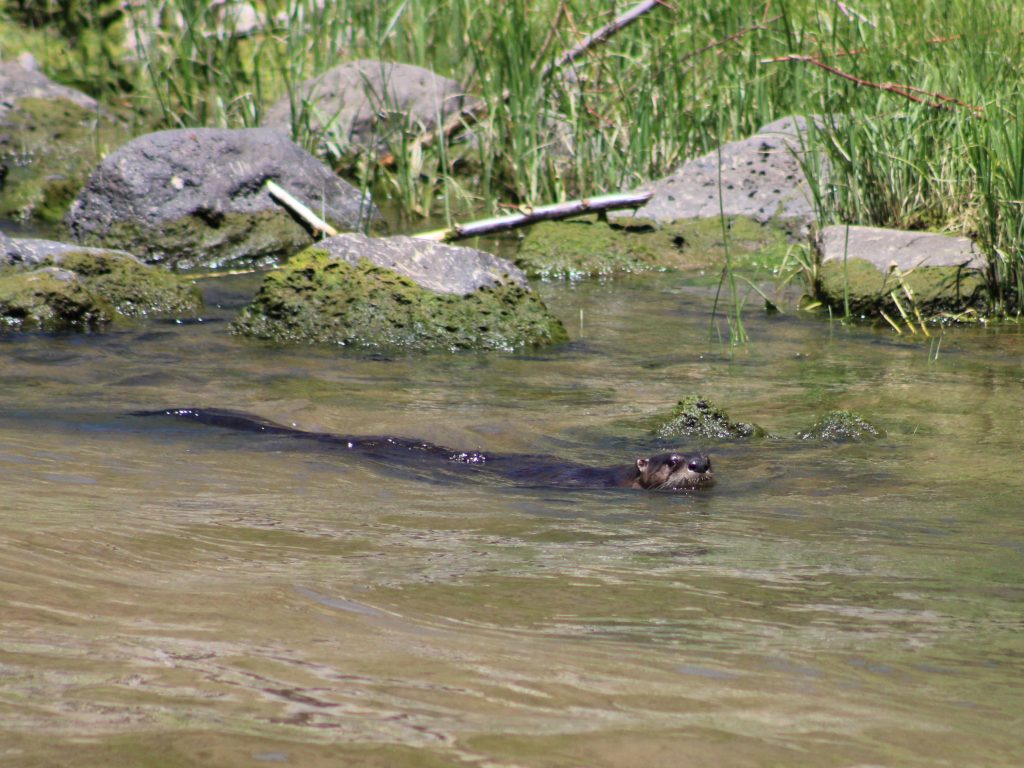
Additionally, there are plenty of mammals that call this river their home. Reintroduced in 1940 are the bighorn sheep and have made quite a comeback since then. These beauties are commonly seen during our Taos Box Full Day Rafting trip as they enjoy the grasses and shrubs along the riverbank. Another successful reintroduction story is the river otter. These river mammals were entirely non-existent from this area for over 60 years after unregulated hunting and trapping. Although rare, they can be seen bobbing up and down alongside our rafts!

Wildlife of the Pecos River
Flowing through eastern New Mexico, the Pecos River is another critical habitat for wildlife. It supports a variety of species that have adapted to its unique environment. A common sight along the banks are beavers. These industrious animals play a vital role in creating wetlands along the river, which in turn supports numerous other species. The dams are found along the river, which widen the river’s width and create deeper, cooler waters that benefit native trout. Another animal to lookout for along the banks is the western diamondback rattlesnakes. These snakes are an integral part of the ecosystem, controlling rodent populations. We also have many birds including the Great Blue Heron which is often seen stalking fish in the shallows, these elegant birds are a common sight along the Pecos River.

Wildlife of the Gila River
The Gila River, originating in the Gila Wilderness, is a vital watercourse that supports a rich variety of wildlife. Its relatively undisturbed environment makes it a haven for species that depend on pristine habitats. After nearing extinction in 1967, conservation efforts to bring back the Gila Trout have helped restore populations of this native species in the river. This beautifully golden trout is now found throughout Arizona and New Mexico again. Birds are often seen along the river including the Mexican Spotted Owl. Although illusive it finds sanctuary in the old-growth forest. The Gila River region is also crucial for insects, including numerous pollinators that support the broader ecosystem. During the annual migration the Monarch Butterfly relies on the river’s riparian zones for nectar sources and resting spots.

Conservation Challenges and Efforts
Despite the rich biodiversity, New Mexico’s river ecosystems face numerous challenges. Water diversion, pollution, and habitat loss threaten the delicate balance of these environments. Conservation initiatives, such as the Rio Grande Water Fund and efforts by various wildlife refuges, aim to protect and restore these vital habitats. Local communities and organizations play a significant role in conservation efforts. From participating in river clean-ups to advocating for sustainable water management practices, community involvement is crucial in ensuring the health of New Mexico’s river ecosystems.
Protecting New Mexico’s River Wildlife
The rivers of New Mexico are more than just waterways; they are lifelines that support a remarkable diversity of wildlife. From the majestic Rio Grande to the secluded Gila River, these riparian habitats offer sanctuary to countless species, making them invaluable to the state’s ecological and cultural heritage. By appreciating and protecting these natural treasures, we can help ensure that New Mexico’s rivers continue to thrive for generations to come.
Frequently Asked Questions
The Rio Grande supports a wide variety of wildlife, including Sandhill Cranes, Southwestern Willow Flycatchers, Bald Eagles, Rio Grande Cutthroat Trout, Northern Leopard Frogs, bighorn sheep, and river otters.
The Rio Grande serves as a vital ecological corridor, providing essential water resources and habitat for numerous bird, fish, amphibian, and mammal species throughout the state.
The Pecos River is home to beavers, western diamondback rattlesnakes, Great Blue Herons, and many other species that have adapted to its unique river environment.
Beavers create wetlands through their dam-building activities. These wetlands support a variety of wildlife and can create deeper, cooler waters that benefit native trout.
The Gila River flows through a relatively undisturbed environment, making it an important refuge for wildlife that depends on pristine habitats.
The Gila Trout is a native species that was once close to extinction. Conservation efforts have helped restore its populations throughout parts of New Mexico and Arizona.
Bird species found along New Mexico’s rivers include Sandhill Cranes, Bald Eagles, Southwestern Willow Flycatchers, Great Blue Herons, and Mexican Spotted Owls.
Yes. During their annual migration, Monarch Butterflies rely on riparian zones along rivers like the Gila for nectar sources and resting locations.
Water diversion, pollution, and habitat loss are among the primary challenges facing New Mexico’s river ecosystems.
Conservation initiatives such as the Rio Grande Water Fund, wildlife refuge efforts, and community-led activities like river cleanups help protect and restore these important habitats.
New Mexico’s rivers provide water, food, shelter, breeding areas, and migration corridors for a remarkable diversity of species, making them essential to the state’s ecological heritage.
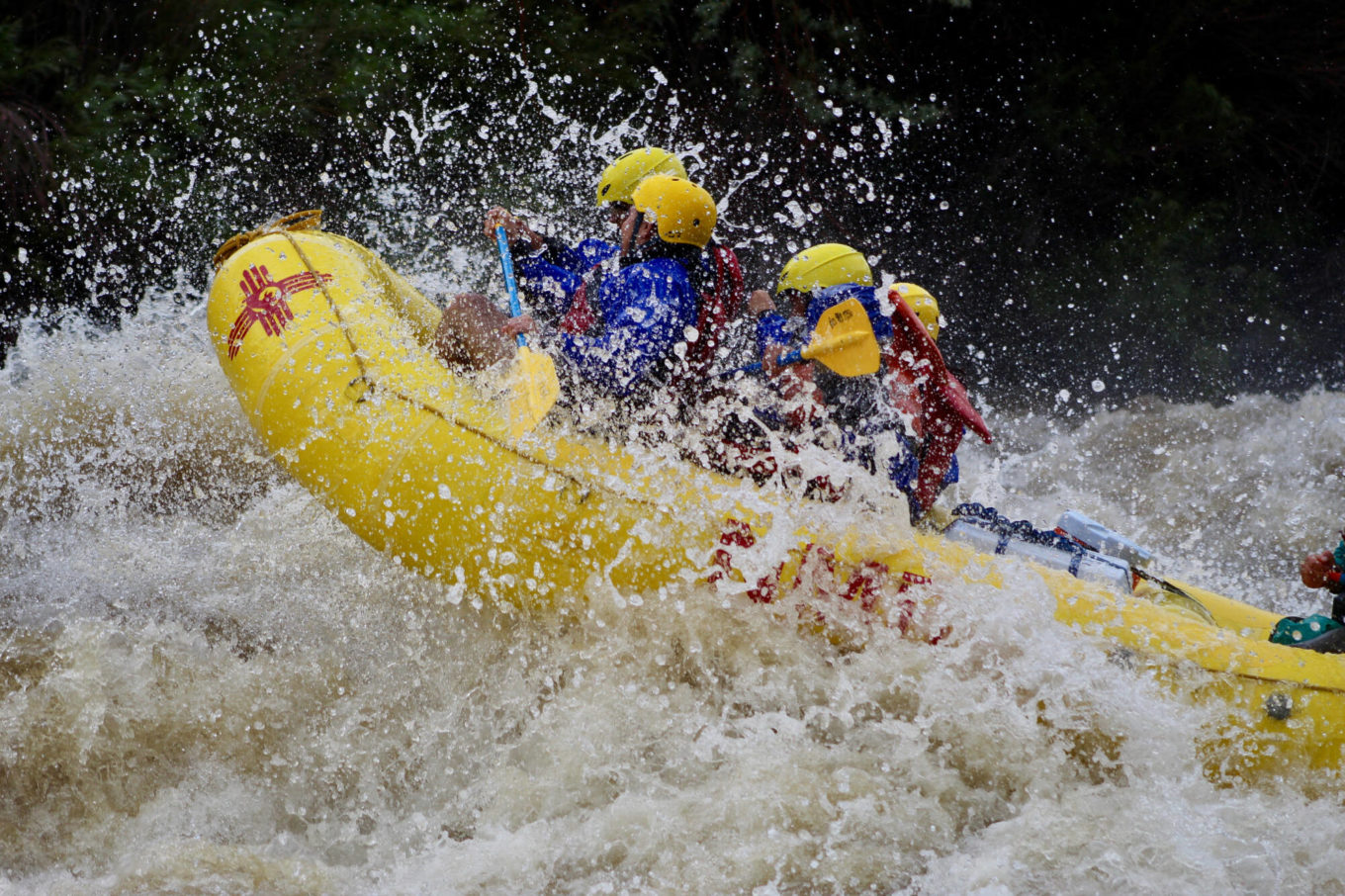
Rio Grande Racecourse Half Day
River
Rio Grande
Duration
Half Day
Price
$76 Adult | $66 Child
Age
5
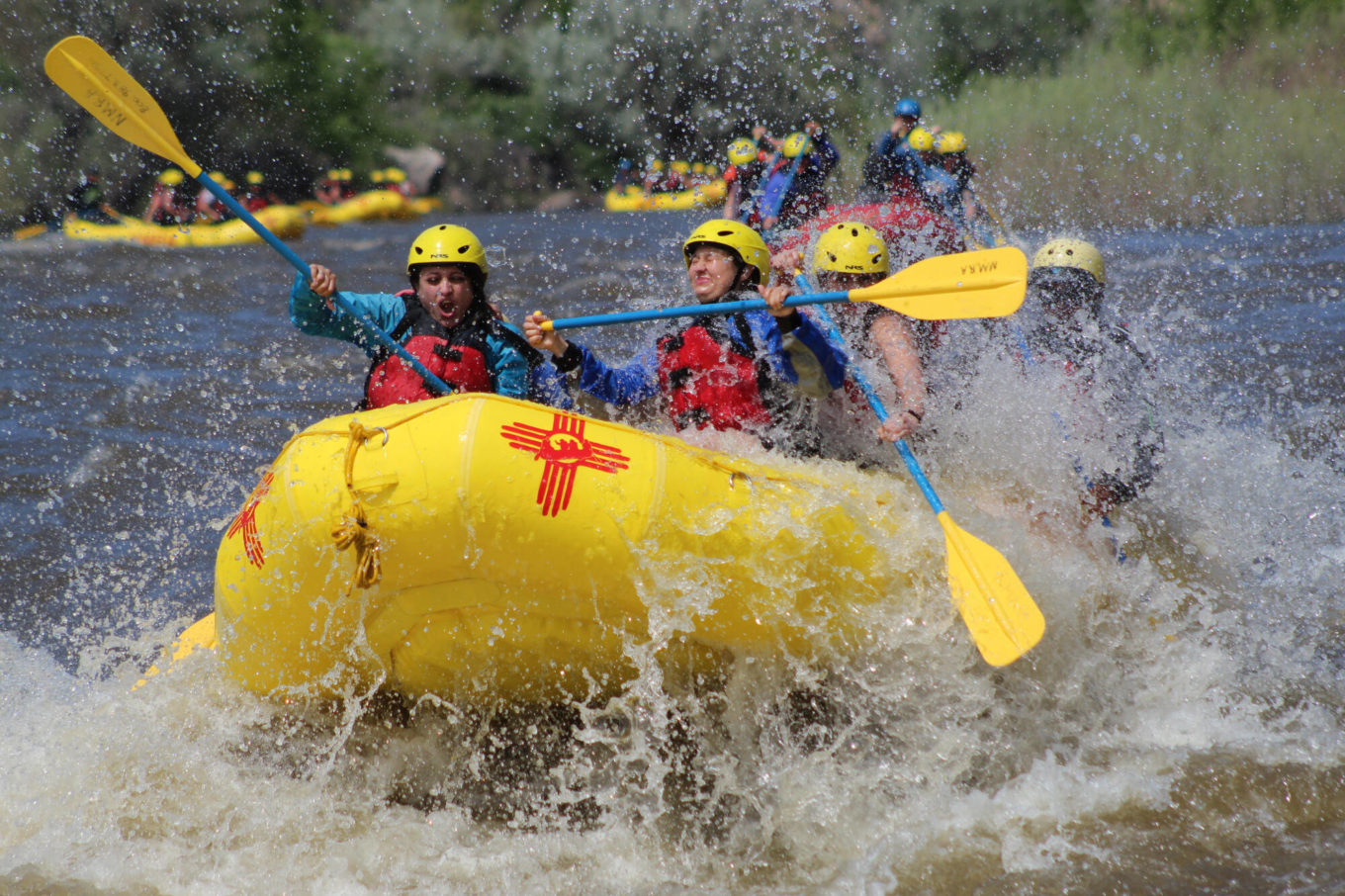
Rio Grande Gorge Rafting Full Day
River
Rio Grande
Duration
Full Day
Price
$125 Adult
$110 Child
$110 Child
Age
5
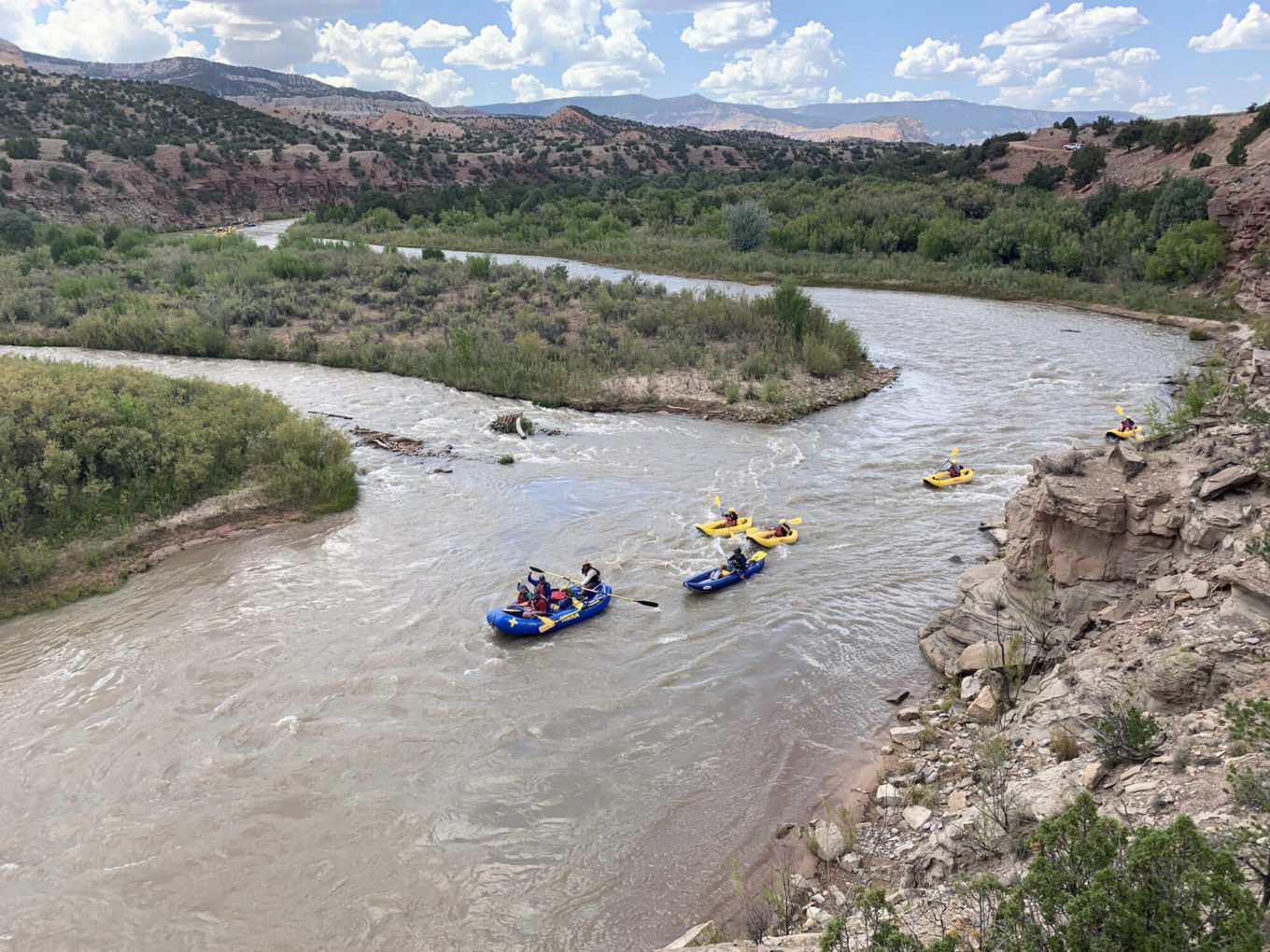
River
Rio Chama
Duration
Multi Day
Price
$595 Adult
$495 Child
$495 Child
Age
6