
If you hang around raft guides long enough, you'll notice something. On our days off, a lot of us still end up on the river. Usually it's in an inflatable kayak, or what we all call a "ducky". There's just something different about paddling your own boat. Even on stretches of river we've been down [...]

Why Inflatable Kayaks Are One of the Best Ways to Experience New Mexico Rivers
If you hang around raft guides long enough, you'll notice something. On our days off, a lot of us still...
Continue Reading
New Mexico Wildlife in and Around the Rivers
Nestled in the heart of the American Southwest, New Mexico is a land of stark deserts, majestic mountains, and, surprisingly...
Continue Reading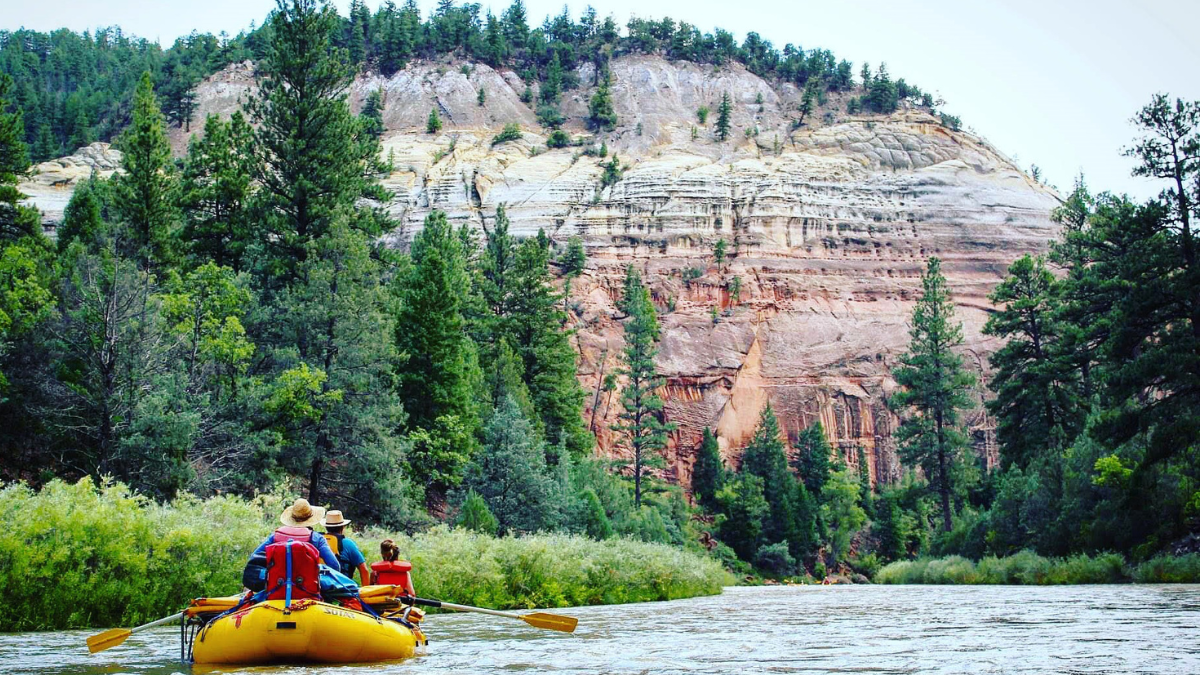
New Mexico Water Levels Guide: Best Months to Raft in 2026
New Mexico rafting water levels are running below average in 2026 after one of the driest winters on record across...
Continue Reading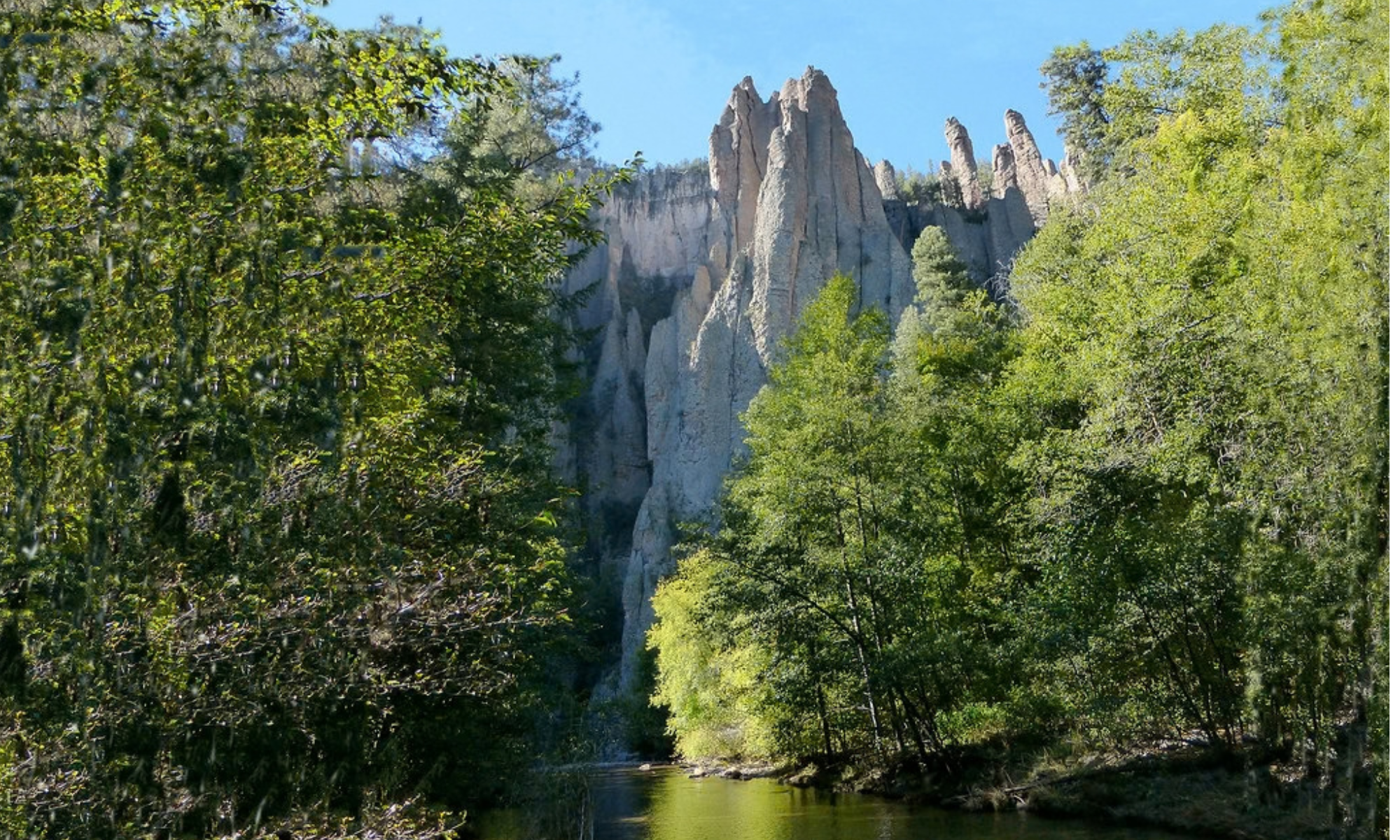
A Local’s Guide to Hiking Trails in New Mexico
New Mexico truly lives up to its nickname, the Land of Enchantment. From desert mesas and volcanic landscapes to alpine...
Continue Reading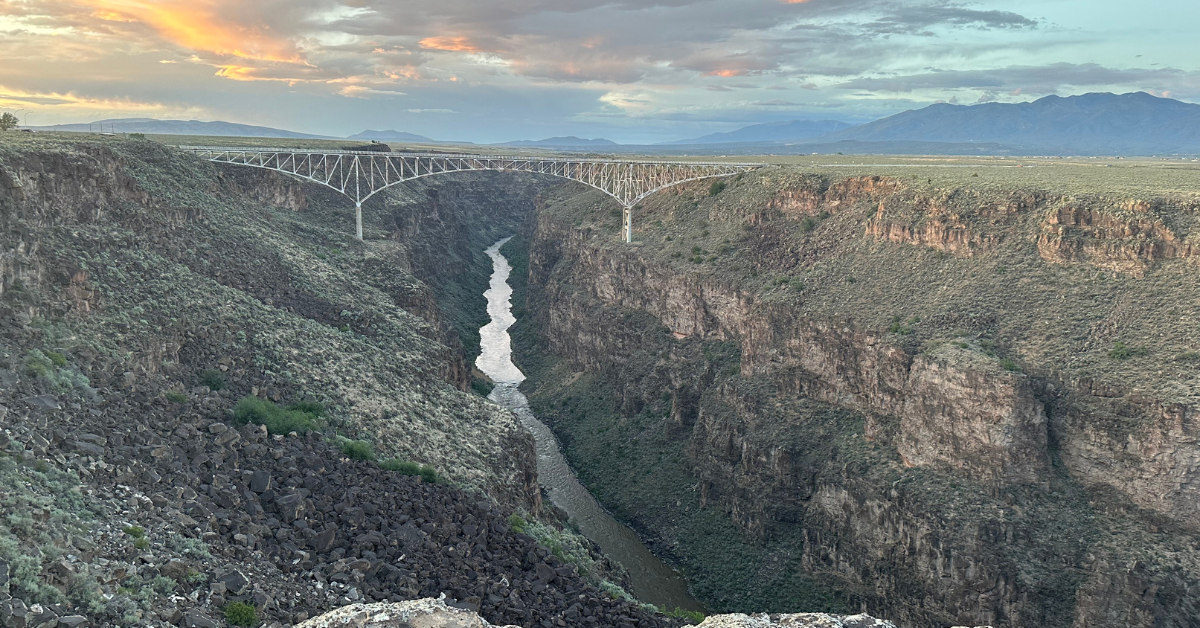
The Most Scenic Rivers and Lakes in New Mexico
New Mexico boasts a variety of picturesque rivers and lakes that highlight its unique landscape, combining desert beauty with lush...
Continue ReadingIf you hang around raft guides long enough, you’ll notice something. On our days off, a lot of us still end up on the river.
Usually it’s in an inflatable kayak, or what we all call a “ducky”.
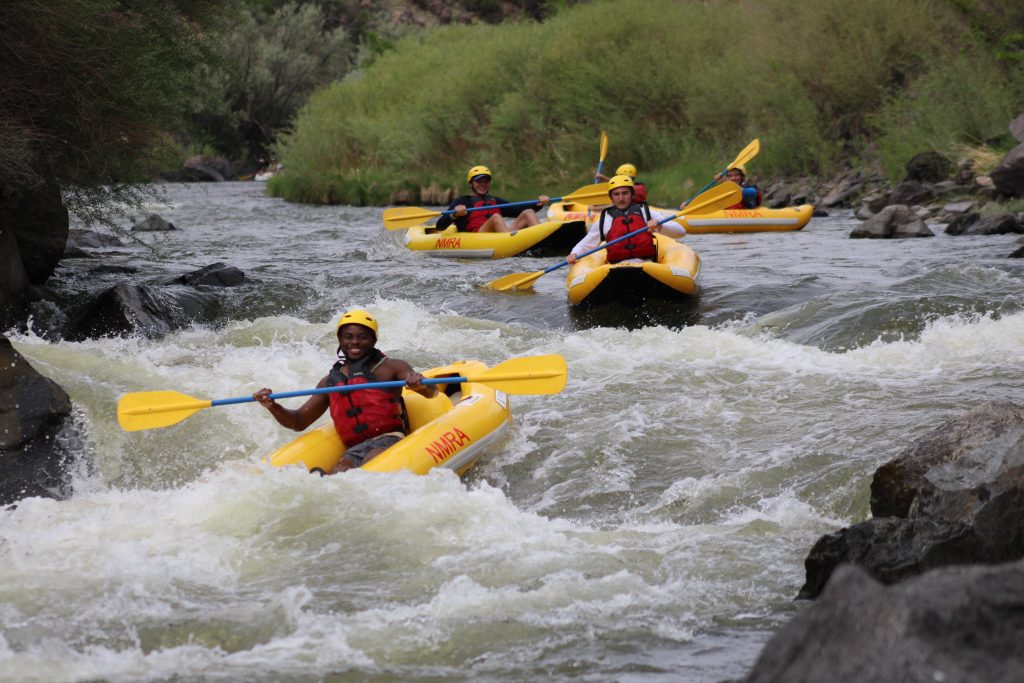
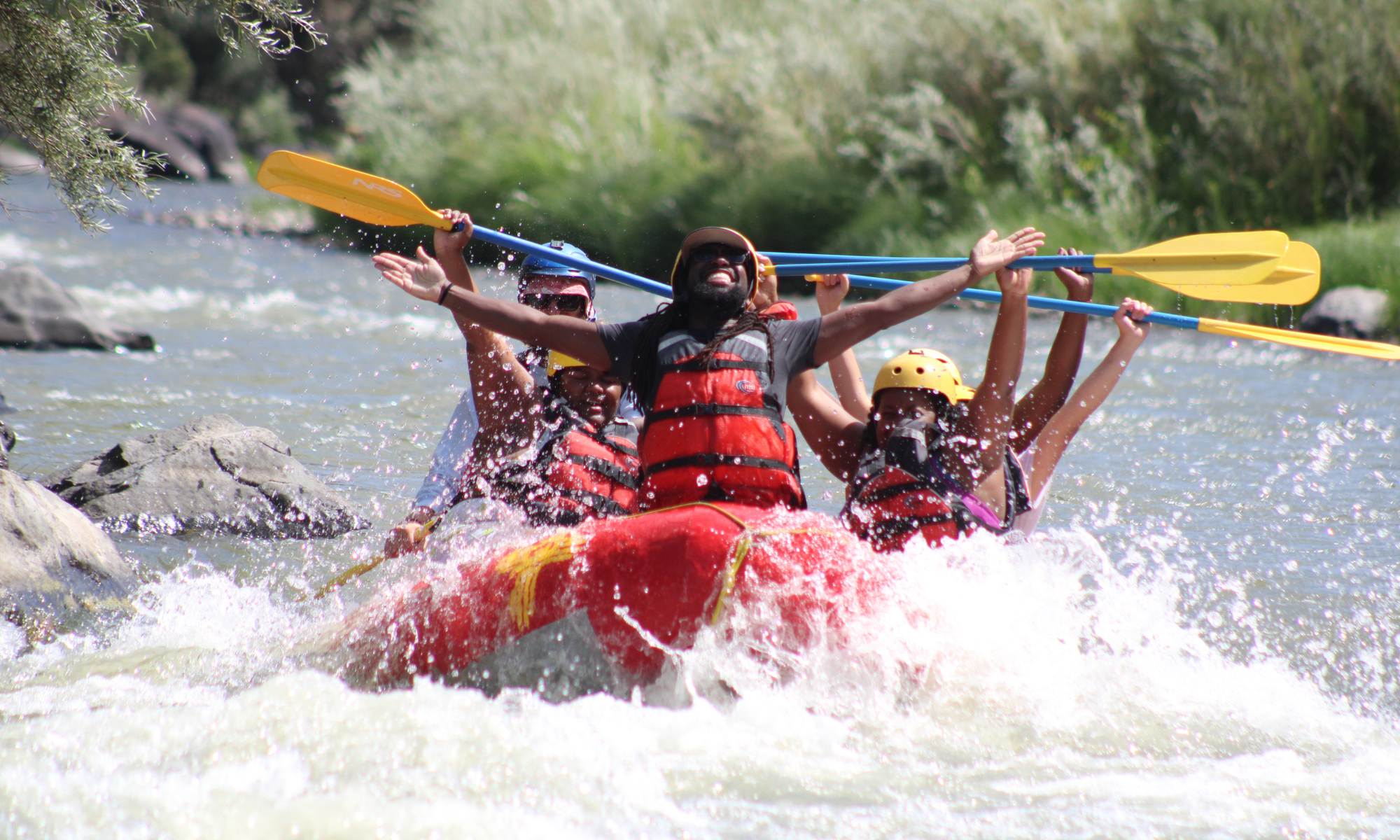
There’s just something different about paddling your own boat. Even on stretches of river we’ve been down more times than we can count, a ducky makes it feel new again. You’re choosing your own line, catching little waves, and getting splashed a whole lot more than you would in a raft.
Every summer, we watch people climb into one for the first time, and it’s almost always the same story. They’re a little nervous at the put-in, laughing by the first rapid, and by the time we get to the take-out, they’re asking when they can do it again.
So What Makes Inflatable Kayaks So Much Fun?
1. You’re in Charge of Your Own Adventure
Rafting is awesome because everyone works together as a team with a guide to navigate the river.
An inflatable kayak is a little different.
You’re the one holding the paddle. You decide whether to charge straight through a wave or sneak around it. You start noticing little currents, eddies, and features in the water that you’d probably never pay attention to from a raft.
One thing we notice with first-time paddlers is how quickly they figure it out. After just a couple of rapids, you can almost see their confidence grow.
2. You Experience the River in a Whole New Way
Because you’re sitting so much closer to the water, every wave feels bigger.
The lines you paddle through in a ducky are ones you’d never really notice from a raft, and you get a much closer look at the rocks and formations that make every river unique.
One of our favorite things about paddling the Rio Grande in northern New Mexico is that every trip feels a little different. Water levels change throughout the season, wildlife comes and goes, and the light in the canyon is never quite the same twice.
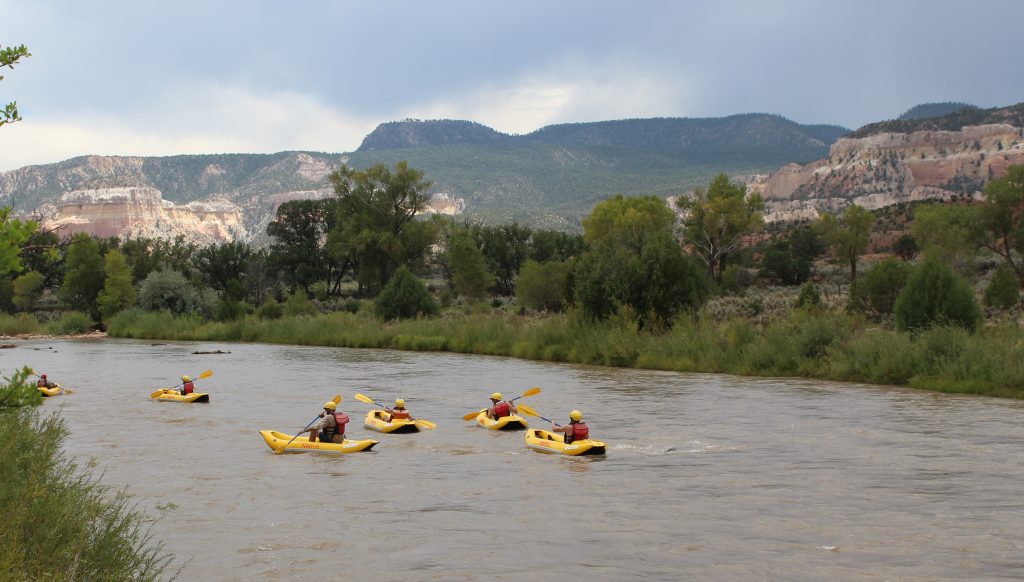
3. They’re More Beginner-Friendly Than You Think
One of the biggest misconceptions we hear is that inflatable kayaks are difficult to paddle.
Honestly, they’re surprisingly forgiving. We like to describe them as hard-shell kayaking with the forgiveness of a raft. You get to paddle your own boat while learning the same river-reading skills, but with a much more stable platform.
They’re wide, stable, and designed specifically for rivers. That makes them a great option for people who want the excitement of kayaking without jumping straight into a hard-shell kayak.
If your goal is to get into hard-shell kayaking someday, inflatable kayaks are one of the best places to start.
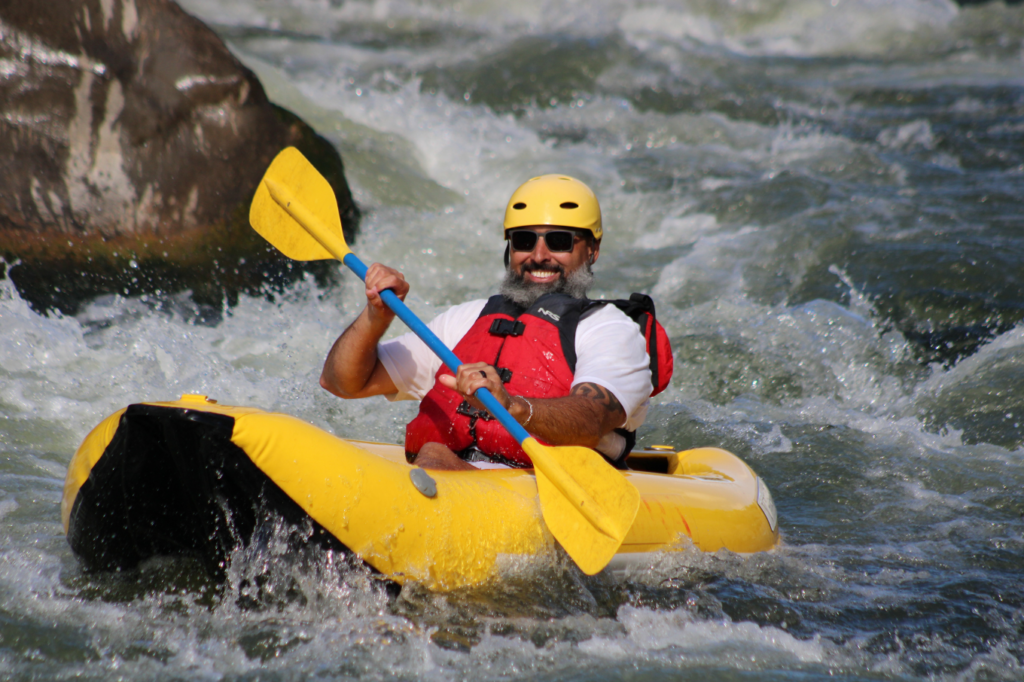
Will you get wet? Absolutely.
Could you fall out? Maybe.
But that’s part of the fun, and it’s usually followed by a good laugh.
4. Don’t Let Low Water Fool You
One question we get all the time is, “Is there enough water?”
If you’ve been looking into rafting or kayaking in New Mexico, you’ve probably heard people talk about low water. The truth is, lower water doesn’t mean less fun—it just means a different kind of adventure.
Higher water usually means bigger waves and a faster ride. Lower water slows things down a bit, but it also lets you become a more active paddler. Instead of simply floating through the rapid, you’re reading the river, choosing your line, and maneuvering around rocks you might not even notice at higher flows.
Honestly, some of our favorite days in a ducky have been during lower water. It becomes more technical, you feel more connected to the river, and every clean line through a rapid feels rewarding.
We actually think technical, low-water conditions make you a better paddler. They force you to read the river, pick clean lines, and make precise moves instead of relying on the current to carry you through.
One thing we love about lower water is seeing rock gardens that are completely hidden at higher flows. It gives the river a totally different personality and lets you appreciate features you’d otherwise never see.
So if you check the river levels before your trip and see they’re lower than you expected, don’t worry. Some of the best inflatable kayaking days in New Mexico happen when the river isn’t at its highest.
A Few Tips for Your First Ducky Trip
If it’s your first time, here are a few things that’ll make the day even better:
- Relax your grip on the paddle. New paddlers tend to squeeze it way too hard.
- Look where you want to go, not at the rock you’re trying to avoid.
- Listen during the safety talk. Your guide isn’t trying to bore you—they’re giving you the tools to have more fun.
- Wear quick-drying clothes and sunscreen. New Mexico sunshine is no joke.
- Expect to get wet. Honestly, if you stay completely dry, you’re probably doing something wrong.

Why New Mexico Is Such a Great Place to Try It
Northern New Mexico has some incredible rivers to explore, whether you’re looking for your first inflatable kayaking trip or you’re already hooked on whitewater.
The Rio Grande offers everything from calm, scenic stretches to exciting rapids, and the scenery is hard to beat. If you’re visiting Santa Fe or Taos, spending a day on the river is one of the best ways to experience a side of New Mexico that most people never see from the highway.
We’ve watched plenty of people show up convinced they were only “rafting people.” By the end of the day, they’re asking where they can buy an inflatable kayak of their own.
That’s probably the best compliment duckies can get.
Whether you’re looking for a new challenge or just want to experience New Mexico’s rivers from a different perspective, inflatable kayaking is worth trying at least once.
Just don’t be surprised if one trip turns into your new favorite way to spend a day on the water.
Frequently Asked Questions
Yes, inflatable kayaks are a great option for beginners because they are wide, stable, and forgiving on moving water. They let first-time paddlers experience the fun of kayaking without needing the same skill level required for a hard-shell kayak.
Inflatable kayaking is more hands-on than rafting because you paddle and steer your own boat. However, it is still beginner-friendly, and many first-time paddlers quickly gain confidence after a few rapids.
Yes, you should expect to get wet while paddling an inflatable kayak. Because you sit closer to the water than you do in a raft, splashes feel bigger and are part of what makes ducky trips so fun.
Northern New Mexico is a great place to try inflatable kayaking, especially on the Rio Grande. The river offers a mix of scenic stretches, exciting rapids, canyon views, and access from popular areas like Santa Fe and Taos.
Wear quick-drying clothes, secure footwear, and sunscreen. New Mexico sunshine can be strong, and you should dress with the expectation that you will get splashed or fully wet during the trip.
Yes, lower water can still make for a great inflatable kayaking trip. Low water often creates a more technical experience where paddlers read the river, choose cleaner lines, and maneuver around rocks more actively.
Nestled in the heart of the American Southwest, New Mexico is a land of stark deserts, majestic mountains, and, surprisingly to many, a network of vital rivers that serve as lifelines for an array of wildlife. These rivers carve through the rugged landscape, creating lush riparian zones teeming with life. Let’s take a closer look at the fascinating wildlife that thrives in and around New Mexico’s rivers.
Wildlife of the Rio Grande
The Rio Grande, one of the longest rivers in North America, flows through 470 miles of New Mexico, providing essential water resources and habitats for numerous species. This river supports a diverse array of wildlife, making it a crucial ecological corridor. Birdwatchers find the Rio Grande an avian paradise. The river’s rich riparian zones attract a plethora of bird species, including Sandhill Cranes, the endangered Southwestern Willow Flycatcher and Bald Eagles. These birds and many more are native to New Mexico and utilize the areas resources for food, breeding, and migration. Within the water and along the banks are species such as the Rio Grande Cutthroat Trout and the Northern Leopard Frog. This namesake fish is the state fish of New Mexico and can be found in the cool waters of the river’s tributaries.
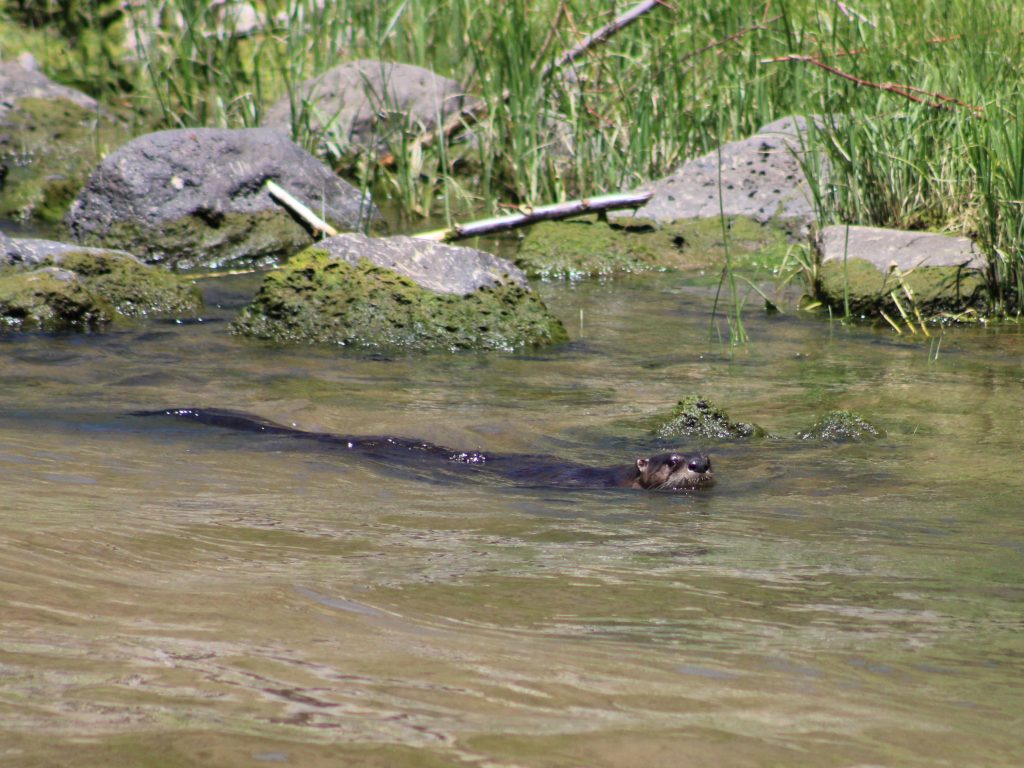
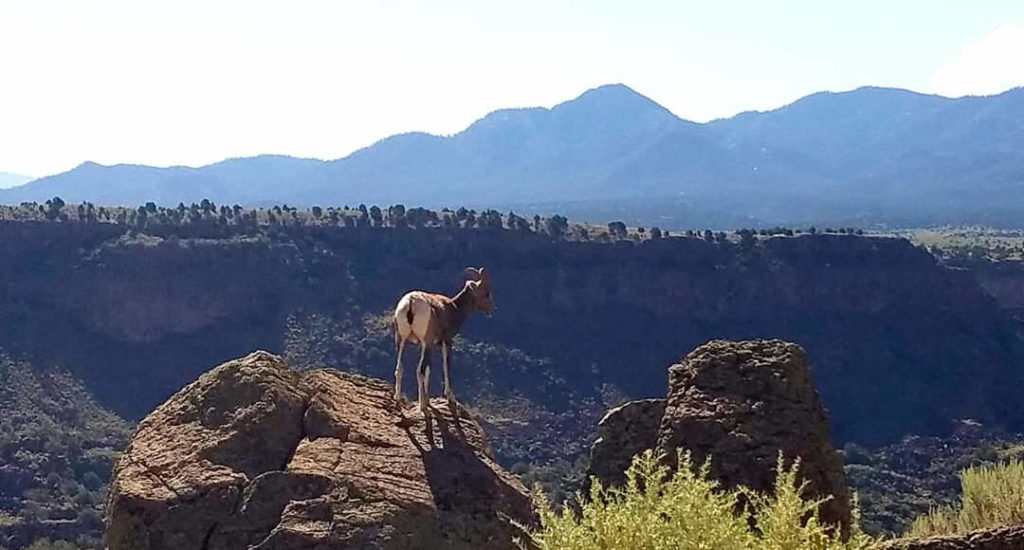
Additionally, there are plenty of mammals that call this river their home. Reintroduced in 1940 are the bighorn sheep and have made quite a comeback since then. These beauties are commonly seen during our Taos Box Full Day Rafting trip as they enjoy the grasses and shrubs along the riverbank. Another successful reintroduction story is the river otter. These river mammals were entirely non-existent from this area for over 60 years after unregulated hunting and trapping. Although rare, they can be seen bobbing up and down alongside our rafts!

Wildlife of the Pecos River
Flowing through eastern New Mexico, the Pecos River is another critical habitat for wildlife. It supports a variety of species that have adapted to its unique environment. A common sight along the banks are beavers. These industrious animals play a vital role in creating wetlands along the river, which in turn supports numerous other species. The dams are found along the river, which widen the river’s width and create deeper, cooler waters that benefit native trout. Another animal to lookout for along the banks is the western diamondback rattlesnakes. These snakes are an integral part of the ecosystem, controlling rodent populations. We also have many birds including the Great Blue Heron which is often seen stalking fish in the shallows, these elegant birds are a common sight along the Pecos River.

Wildlife of the Gila River
The Gila River, originating in the Gila Wilderness, is a vital watercourse that supports a rich variety of wildlife. Its relatively undisturbed environment makes it a haven for species that depend on pristine habitats. After nearing extinction in 1967, conservation efforts to bring back the Gila Trout have helped restore populations of this native species in the river. This beautifully golden trout is now found throughout Arizona and New Mexico again. Birds are often seen along the river including the Mexican Spotted Owl. Although illusive it finds sanctuary in the old-growth forest. The Gila River region is also crucial for insects, including numerous pollinators that support the broader ecosystem. During the annual migration the Monarch Butterfly relies on the river’s riparian zones for nectar sources and resting spots.

Conservation Challenges and Efforts
Despite the rich biodiversity, New Mexico’s river ecosystems face numerous challenges. Water diversion, pollution, and habitat loss threaten the delicate balance of these environments. Conservation initiatives, such as the Rio Grande Water Fund and efforts by various wildlife refuges, aim to protect and restore these vital habitats. Local communities and organizations play a significant role in conservation efforts. From participating in river clean-ups to advocating for sustainable water management practices, community involvement is crucial in ensuring the health of New Mexico’s river ecosystems.
Protecting New Mexico’s River Wildlife
The rivers of New Mexico are more than just waterways; they are lifelines that support a remarkable diversity of wildlife. From the majestic Rio Grande to the secluded Gila River, these riparian habitats offer sanctuary to countless species, making them invaluable to the state’s ecological and cultural heritage. By appreciating and protecting these natural treasures, we can help ensure that New Mexico’s rivers continue to thrive for generations to come.
Frequently Asked Questions
The Rio Grande supports a wide variety of wildlife, including Sandhill Cranes, Southwestern Willow Flycatchers, Bald Eagles, Rio Grande Cutthroat Trout, Northern Leopard Frogs, bighorn sheep, and river otters.
The Rio Grande serves as a vital ecological corridor, providing essential water resources and habitat for numerous bird, fish, amphibian, and mammal species throughout the state.
The Pecos River is home to beavers, western diamondback rattlesnakes, Great Blue Herons, and many other species that have adapted to its unique river environment.
Beavers create wetlands through their dam-building activities. These wetlands support a variety of wildlife and can create deeper, cooler waters that benefit native trout.
The Gila River flows through a relatively undisturbed environment, making it an important refuge for wildlife that depends on pristine habitats.
The Gila Trout is a native species that was once close to extinction. Conservation efforts have helped restore its populations throughout parts of New Mexico and Arizona.
Bird species found along New Mexico’s rivers include Sandhill Cranes, Bald Eagles, Southwestern Willow Flycatchers, Great Blue Herons, and Mexican Spotted Owls.
Yes. During their annual migration, Monarch Butterflies rely on riparian zones along rivers like the Gila for nectar sources and resting locations.
Water diversion, pollution, and habitat loss are among the primary challenges facing New Mexico’s river ecosystems.
Conservation initiatives such as the Rio Grande Water Fund, wildlife refuge efforts, and community-led activities like river cleanups help protect and restore these important habitats.
New Mexico’s rivers provide water, food, shelter, breeding areas, and migration corridors for a remarkable diversity of species, making them essential to the state’s ecological heritage.
Nestled in the heart of the American Southwest, New Mexico is a land of stark deserts, majestic mountains, and, surprisingly to many, a network of vital rivers that serve as lifelines for an array of wildlife. These rivers carve through the rugged landscape, creating lush riparian zones teeming with life. Let's take a closer look [...]
New Mexico rafting water levels are running below average in 2026 after one of the driest winters on record across the American West. The good news: the Rio Grande still runs every day of the season. Lower flows create a different kind of adventure, not a lesser one.
If you are planning a rafting trip in Northern New Mexico this summer, this guide covers what to expect, which trips run reliably, and why a low-water year may be the best time to visit.
Are the Rivers in New Mexico Runnable in 2026?
Yes. The Rio Grande is runnable all season in 2026, even with below-average snowpack. Northern New Mexico is fortunate in this way. Unlike rivers to the north and west that shut down in dry years, the Rio Grande never goes dry. Trips for families, first-timers, and experienced paddlers continue to run from spring through fall. Our full lineup of 2026 trips is booking now.
What You May Hear Around Town
Traveling to New Mexico this summer? You may hear a hotel front desk associate or restaurant server say there is no water in the rivers. You may also read drought headlines painting a bleak picture of the Southwest.
These sources often overlook one key fact. The Rio Grande is resilient. It draws from a watershed within the Rio Grande del Norte National Monument that keeps flows consistent enough for commercial rafting every year, regardless of snowpack.

Why Low Water Rafting Is a Unique Adventure
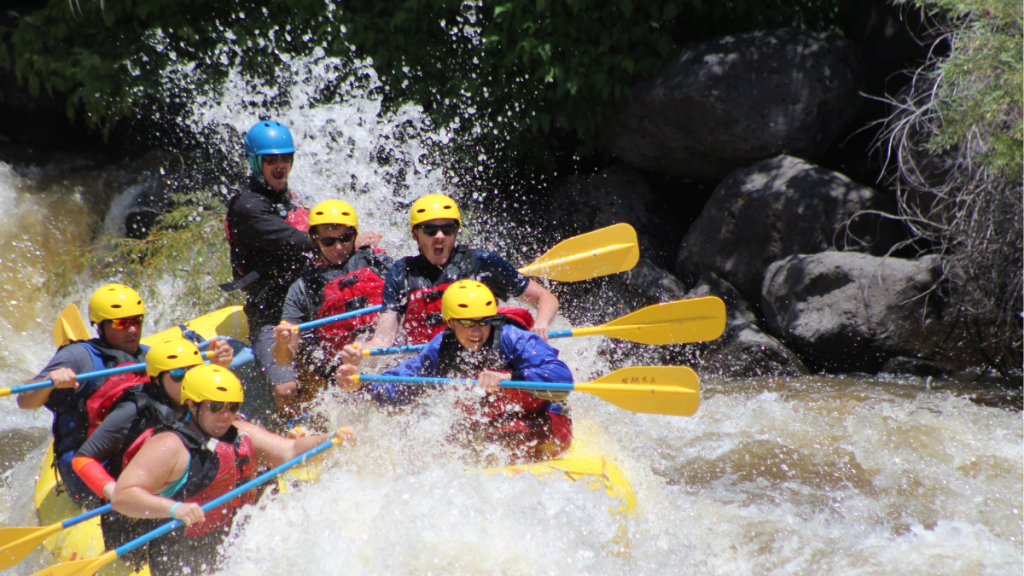
Low flows reward river skill. Technical rapids demand precise boat placement, sharp teamwork, and real river-reading ability. The sense of accomplishment after nailing a low-water line is just as powerful as charging through a high-water flush. Our guides have spent decades on these stretches and know exactly how to read the river at any flow.
In other words, it is a different experience, not a diminished one. Many returning guests actually prefer low-water seasons for this reason.
The Hidden Perk: Warmer River Temperatures
One of the best-kept secrets of low-water seasons is warmer water. The Rio Grande can reach nearly 70°F in summer. That makes it ideal for swimming. Cooling off without freezing is a bonus you simply do not get in a high-snowpack year.
Best Rio Grande Rafting Trips for a Low-Water Season
The following trips run reliably through spring, summer, and fall in 2026, regardless of water levels:
Rio Grande Racecourse Half Day
Perfect for families and first-time rafters. Class II to III rapids stay fun at any flow. This is our most popular half-day option for a reason.
Rio Grande Gorge Full Day
A full canyon experience with memorable whitewater. You get dramatic scenery, a riverside lunch, and enough technical water to feel the thrill.
24 Hours on the Rio Grande
An overnight adventure for guests who want more river time. Camp under the stars, eat great food, and wake up on the water.
Rio Grande Multi-Sport 3 Day
The ultimate Northern New Mexico itinerary. This trip combines rafting with other outdoor activities for a full immersion in the region.
Looking for Adrenaline? Try an Inflatable Kayak
The Taos Box may not run at full capacity in a low-water year. Do not worry. Both the Racecourse Half Day and the Rio Grande Gorge Full Day are available in inflatable kayaks during lower flows. Our Racecourse Kayaking trip is specifically designed for low-water adrenaline seekers.
You take control of your own craft. Guides still provide paddling instruction, navigation support, and full safety coverage. However, the experience is significantly more challenging and immersive. If you want your heart pumping, this is the move. Want two days of it? Check out the Wild and Scenic 2 Day Adventure, our popular overnight inflatable kayak trip.
Why New Mexico Is Worth the Trip, Low Water or High
New Mexico remains one of the best summer travel destinations in the country. Ancient Pueblos, stunning historic architecture, and a world-class culinary and arts scene in Taos and Santa Fe give you more than a few days of exploration.
Spend a week in the Land of Enchantment. Meet the people. Soak in the culture. And do not leave without spending a day on the Rio Grande.
Ready to Experience the Rio Grande in 2026?
The river is ready. Our guides are ready. The only missing piece is you. Browse our 2026 rafting trips, check availability, and book online today to lock in your spot on the Rio Grande.

Frequently Asked Questions
Yes. Low water rafting on the Rio Grande is safe when you go with a licensed outfitter. Professional guides adjust boat types, route lines, and group size to match current flows. In fact, many guests find low-water trips more engaging because they require more technical paddling.
The Taos Box runs best with higher spring flows. In a low-water year like 2026, availability may be limited. Learn more about this iconic stretch in our guide to top things to know about the Taos Box. The Racecourse Half Day and Rio Grande Gorge Full Day remain excellent alternatives, and both can be upgraded to inflatable kayaks for more challenge.
Yes. Low-water flows on the Racecourse Half Day make for an ideal family rafting trip. The rapids are exciting without being intimidating, the water is warmer, and guides can focus more on teaching and engagement.
May and June typically offer the highest flows of the season. July and August deliver warmer water, sunshine, and steady Class II to III rafting on the Racecourse and Gorge sections. September brings cooler temperatures, smaller crowds, and beautiful fall light.
The Rio Grande can reach close to 70°F during summer low-water seasons. That is significantly warmer than high-snowpack years. These temperatures make swimming enjoyable and reduce the need for heavy wetsuits.
Book at least two to four weeks ahead for summer weekends. Overnight trips and multi-sport packages fill faster, so four to six weeks of lead time is safer. Browse all trips and check live availability to lock in your preferred date.
New Mexico rafting water levels are running below average in 2026 after one of the driest winters on record across the American West. The good news: the Rio Grande still runs every day of the season. Lower flows create a different kind of adventure, not a lesser one. If you are planning a rafting trip [...]
New Mexico truly lives up to its nickname, the Land of Enchantment. From desert mesas and volcanic landscapes to alpine lakes and dense forests, New Mexico offers some of the most diverse hiking trails in the Southwest.
As a local, I’ve had the pleasure of exploring many of these trails, and I’m excited to share some of my favorites. Whether you’re planning a short day hike or a full wilderness adventure, these New Mexico hiking trails offer something for every skill level.
Hiking Trails in New Mexico: Table of Contents
Bandelier National Monument
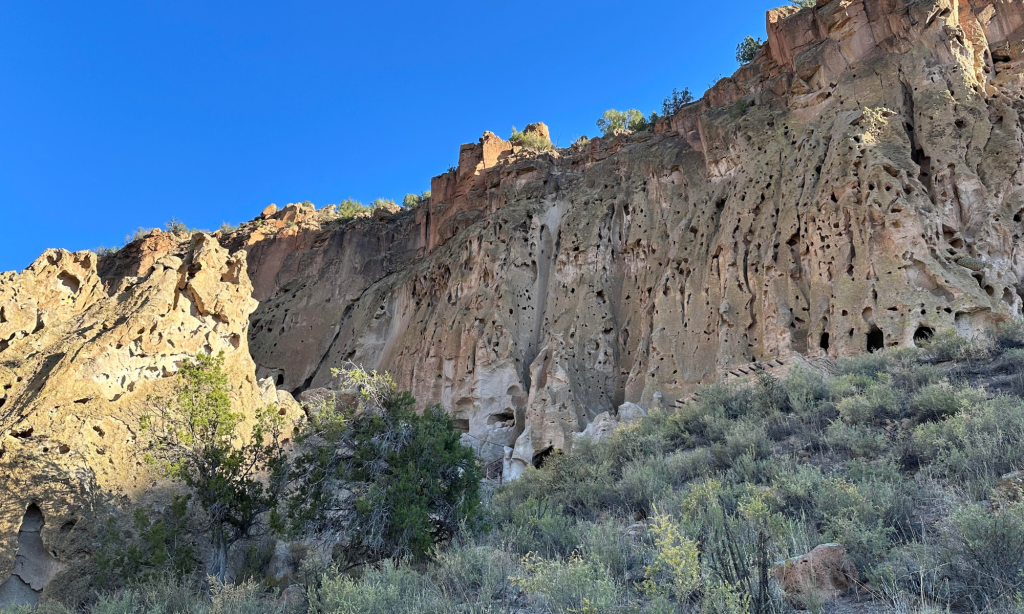
Located near Los Alamos, Bandelier National Monument is a treasure trove of ancient Puebloan ruins and scenic beauty. The park spans over 33,000 acres of rugged canyons and mesas, offering visitors a unique blend of natural landscapes and cultural history.
Because of the exposed desert climate, the area can get very hot during the day. Be sure to bring plenty of water, sunscreen, and sun protection. The best time to hike here is early morning, which helps you avoid both the heat and the crowds.
Parking inside the park is limited. When the lots fill up, visitors must take a shuttle from the White Rock visitor parking area into the monument.
The popular Main Loop Trail is a 1.2-mile loop that passes several archaeological sites, including kivas, cliff dwellings, and ancient homes carved into canyon walls. One of the highlights is Alcove House, which requires a 140-foot climb up ladders and stairs to reach the historic dwelling.
Looking for something longer? Bandelier offers more than 70 miles of backcountry trails that are perfect for overnight backpacking adventures. Just remember that permits are required for backcountry camping.
Wheeler Peak Wilderness
For hikers looking to gain elevation, Wheeler Peak Wilderness offers some of the most spectacular alpine hiking in New Mexico.
Located near Taos within the Sangre de Cristo Mountains, Wheeler Peak stands as the highest point in the state at 13,161 feet.
The summit hike is challenging and requires preparation due to the significant elevation gain. If you plan to reach the top, be sure to train beforehand and bring adequate water, food, and layers for changing weather conditions. Snow can linger into the early summer months, so late summer is the best time to summit.
If you’re looking for a shorter adventure, consider the hike up to Williams Lake, a stunning alpine lake accessed via a 4-mile round-trip trail. The lake sits below Wheeler Peak and offers incredible views of the surrounding mountains. Many hikers enjoy relaxing by the water—or even taking a quick cold plunge—during the heat of summer.

Gila National Forest
Located in southwestern New Mexico, Gila National Forest offers a diverse range of ecosystems and trails.
Covering more than 3 million acres, the forest includes rugged mountains, deep canyons, hot springs, and the famous Gila Wilderness, the first designated wilderness area in the United States.
A popular route is the Gila Cliff Dwellings Trail, a short 2-mile round-trip hike that leads visitors to ancient cliff dwellings built by the Mogollon people over 700 years ago.
For more experienced hikers, the Middle Fork of the Gila River offers a longer and more adventurous route. This trail features multiple river crossings, canyon views, and incredible solitude.
Remember the Gila Wilderness can be very remote, so make sure to have a good map and plenty of supplies and be prepared for river crossings.
Kasha-Katuwe Tent Rocks National Monument
Just southwest of Santa Fe, Kasha-Katuwe Tent Rocks National Monument features some of the most unique rock formations in New Mexico. When open to visitors, the monument offers one of the most unique hiking experiences in New Mexico.
The monument is known for its cone-shaped rock formations created by volcanic eruptions millions of years ago.
The highlight here is the Slot Canyon Trail, which leads hikers through narrow canyon walls before climbing to a scenic overlook with panoramic views of the surrounding desert landscape.
Although the trail is only about 3 miles round trip, the climb to the overlook can be steep, so bring water and wear sturdy hiking shoes.
Pecos Wilderness Hiking Trails
The Pecos Wilderness offers some of the best backpacking and alpine hiking in northern New Mexico.
Located within the Santa Fe National Forest, the wilderness area features high mountain lakes, dense forests, and scenic alpine meadows.
One of the most popular hikes is Lake Katherine, a challenging trail that rewards hikers with stunning views of a crystal-clear alpine lake surrounded by towering peaks.
Because of the elevation and distance, this hike is best suited for experienced hikers or backpackers.
The cooler mountain temperatures make the Pecos Wilderness a great escape during the hot New Mexico summers.
Plan Your New Mexico River Adventure
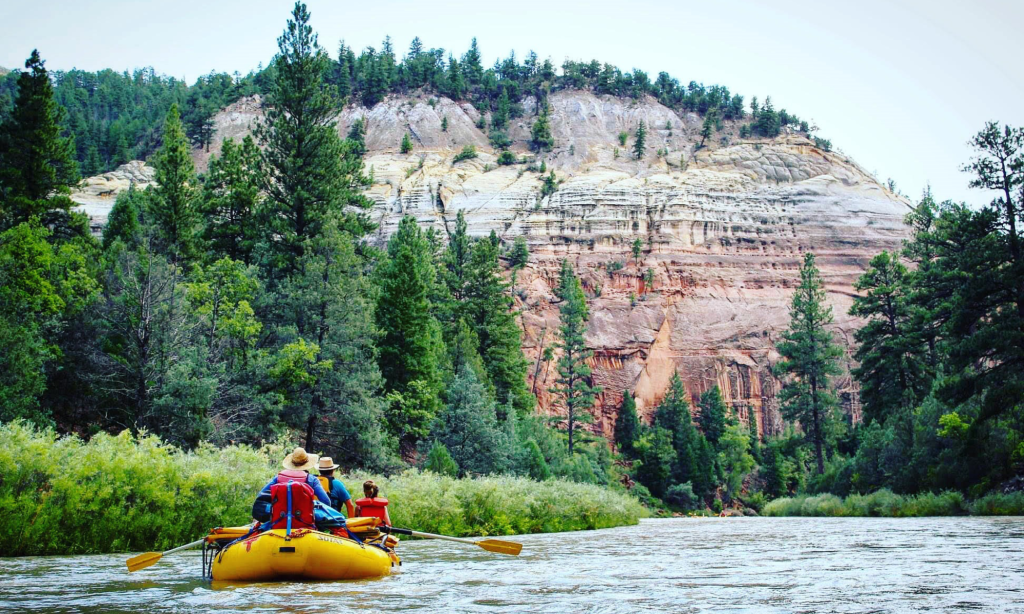
If you’re planning a hiking trip in New Mexico, consider adding a guided rafting trip to your itinerary.
New Mexico River Adventures offers rafting experiences near Taos and Santa Fe, making it easy to combine hiking and river exploration during your visit.
From scenic floats to exciting whitewater, their trips are designed for families, first-time rafters, and experienced adventurers alike.
Frequently Asked Questions
Spring and fall are generally the best seasons for hiking. Summer can be hot at lower elevations, while mountain areas offer cooler temperatures.
Yes. Many trails, including the Bandelier Main Loop and Tent Rocks Slot Canyon Trail, are suitable for beginner hikers. Be sure to research your planned hikes ahead of time to insure it is a good fit for your group.
Always bring:
-
Plenty of water
-
Sun protection
-
Snacks
-
A map or GPS
-
Layers for changing weather
Absolutely. Northern New Mexico is perfect for combining mountain hiking and rafting, especially around Taos and Santa Fe. Explore our guided trips!
New Mexico truly lives up to its nickname, the Land of Enchantment. From desert mesas and volcanic landscapes to alpine lakes and dense forests, New Mexico offers some of the most diverse hiking trails in the Southwest. As a local, I’ve had the pleasure of exploring many of these trails, and I’m excited to share [...]
New Mexico boasts a variety of picturesque rivers and lakes that highlight its unique landscape, combining desert beauty with lush riparian environments. Although the state is often characterized as high desert, there are numerous significant New Mexico rivers and lakes to explore and enjoy. Here are some of our favorites and suggestions for things to do in New Mexico while you’re in the area.
Explore the Best Rivers and Lakes in New Mexico: Table of Contents
Discover the Most Beautiful New Mexico Rivers
Rio Grande
- The Rio Grande is one of the most significant and scenic rivers in New Mexico. Flowing from the Colorado Rockies to the Gulf of Mexico, it cuts through the state, offering dramatic views, especially in the Rio Grande Gorge near Taos. The Rio Grande is a premier destination for activities like whitewater rafting, kayaking, and fishing. Join us on one of our half-day, full-day, or multi-day adventures on iconic sections such as the Taos Box and Racecourse.
Rio Chama
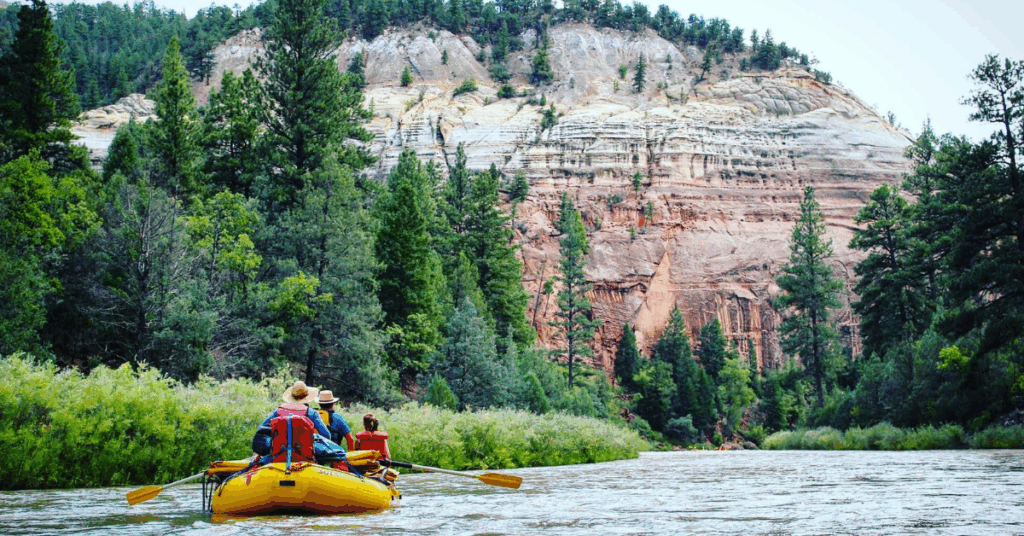
- Renowned for its beauty and history, the Rio Chama is a river unlike any other. When rafting or kayaking through the Wilderness Section, you are surrounded by massive canyon walls of layered siltstone, gypsum, and sandstone with towering ponderosa pines and sagebrush. While on this multi-day stretch, you can immerse yourself in the history of the various Indigenous tribes that inhabited the area in the 1500s. You can also enjoy guided hikes to see preserved dinosaur footprints. Join us on our 3-day trip where we provide all camping equipment, meals, and planning for your adventure!
Pecos River
- Flowing through the Pecos Wilderness in the Sangre de Cristo Mountains, the Pecos River is surrounded by lush forests, rugged cliffs, and alpine meadows. It offers excellent fly-fishing opportunities and is a beautiful spot for camping and hiking.
Explore the Best Lakes in New Mexico
Elephant Butte Lake
- As the largest reservoir in New Mexico, Elephant Butte Lake offers a vast expanse of water perfect for boating, fishing, and swimming. The surrounding desert landscape provides a stark but beautiful contrast to the blue waters. When in the area, make sure to stop by Riverbend Hot Springs for a relaxing soak in the mineral-filled water right along the Rio Grande River.
Heron Lake
- Nestled in Northern New Mexico, Heron Lake is known for its crystal-clear waters and excellent sailing conditions. The lake is surrounded by scenic mountains and forests, making it a perfect destination for camping, hiking, and birdwatching. Located on the eastern shore are over 200 camping and picnic sites. The lake is acclaimed as a destination for salmon and trout fishing as well.
Eagle Nest Lake
- The stunning peaks of the Sangre de Cristo Mountains surround this alpine lake. It is popular for boating and fishing (including ice fishing in the winter) and offers breathtaking views at sunrise and sunset. Located along the Enchanted Circle Scenic Byway, Eagle Nest Lake is a perfect stop for a relaxing picnic or leisurely hike.
Abiquiu Lake
- This reservoir on the Chama River, near Abiquiu, offers beautiful multicolored red rock formations and mesas. It is a hub for recreational activities like boating, fishing, and hiking. This is a wonderful stop when visiting Ghost Ranch or Georgia O’Keeffe’s home.
Plan Your New Mexico River or Lake Adventure
These rivers and lakes in New Mexico not only provide endless recreational opportunities but also showcase the diverse and breathtaking beauty of the state’s natural landscapes.
Let us help you plan the perfect family outing or group excursion! Explore our full range of guided adventures and join us on the water the next time you are in Northern New Mexico.
FAQs About the Best Rivers and Lakes in New Mexico
Some of the most scenic rivers in New Mexico for rafting and kayaking include the Rio Grande, Rio Chama, and Pecos River. These waterways offer everything from thrilling whitewater rapids to peaceful stretches surrounded by stunning desert and mountain landscapes.
Top choices for fishing and boating in New Mexico include Elephant Butte Lake, Heron Lake, and Eagle Nest Lake. These lakes in New Mexico are known for clear waters, excellent trout and bass fishing, and easy access to camping and water recreation.
Spring through early fall is the best time to explore rivers and lakes in New Mexico. During these seasons, water levels are ideal for rafting, fishing, and boating, and temperatures make it easy to enjoy the desert and mountain scenery.
New Mexico boasts a variety of picturesque rivers and lakes that highlight its unique landscape, combining desert beauty with lush riparian environments. Although the state is often characterized as high desert, there are numerous significant New Mexico rivers and lakes to explore and enjoy. Here are some of our favorites and suggestions for things to [...]
There’s nothing quite like the early-morning glow of hot air balloons lifting into a dark New Mexico sky. If you’re headed to the Albuquerque International Balloon Fiesta, the Dawn Patrol should be at the top of your list. But what many visitors don’t realize is that the balloon festival offers far more than just morning launches. From colorful skies and scenic mountain trams to glowing evening events and nearby outdoor adventures, there’s plenty to see and do throughout the day.
In this blog, we’re sharing five must-do experiences to make the most of your Balloon Fiesta trip, starting with those magical pre-sunrise flights and ending with whitewater rafting through New Mexico’s golden fall landscapes.
Dawn Patrol
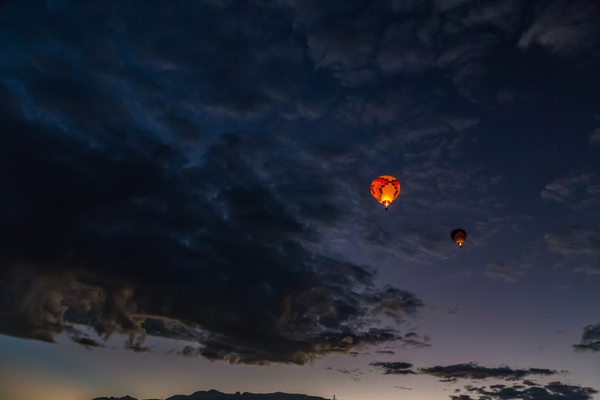
Dawn patrol is the nickname given to the balloon pilots up and at it before everyone else. Before sunrise, anywhere from a single pilot to a small group of them will lift off before sunrise in order to check weather conditions and gauge wind for the upcoming day of flying. In the morning light, the few balloons light up the sky and give a taste of shows yet to come. This is a long-held tradition of the festival, and even though it begins quite early at 6:00 am, it is often the event many people are excited for.
Mass Ascension

Mass Ascension is the colloquial name for the main event of the Albuquerque Balloon festival. Following dawn patrol and some other events including the national anthem, hundreds of balloons begin to take off from the festival field over a two-hour period. Visitors and guests can walk around the field as balloons are constantly being set up and inflated, and watch as they all take off. The sky soon fills with a colorful array of patterns around the festival, making for an excellent show.
Sandia Peak Aerial Tramway
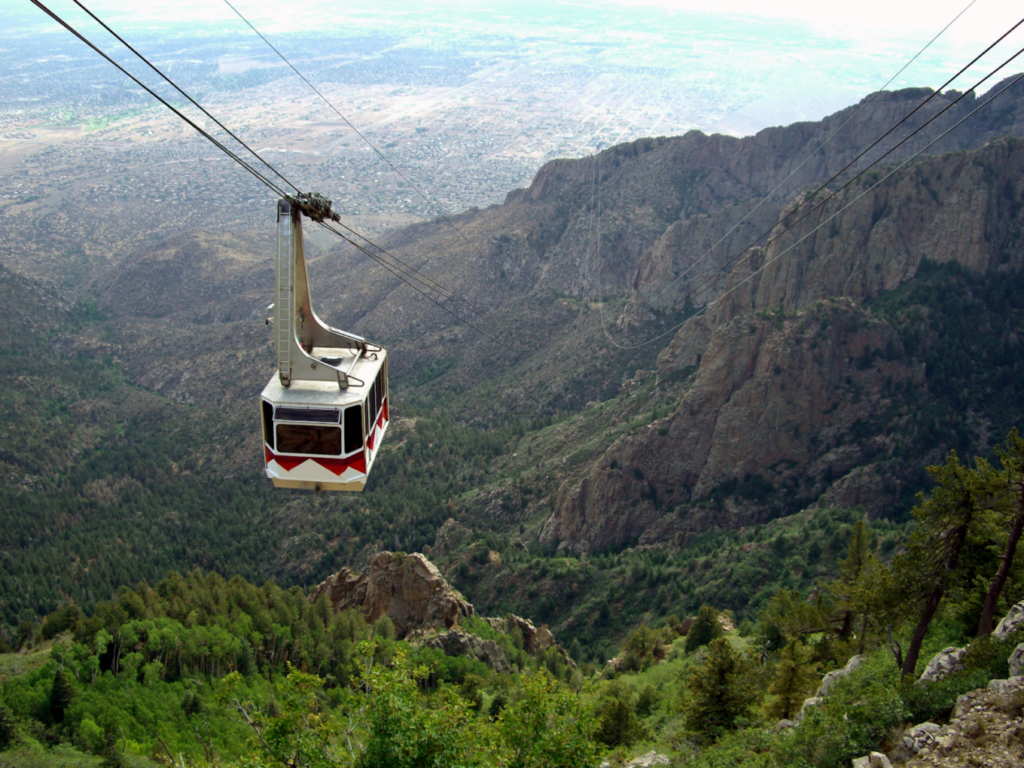
The Sandia Peak Aerial Tramway is one of Albuquerque’s biggest draws. An aerial tramway that ascends one of America’s tallest urban peaks, cresting the Sandia mountains crest at 10,378 feet. The tram ride features excellent views of the mountains as you ascend up the side, giving amazing panoramic views of the Albuquerque area once you reach the top. If exploring the high elevation finds one tired or famished, there is also the TEN3 restaurant at the top, providing dining services to all guests.
The Evening Glow

One of the last things any guest should plan on seeing at the hot air balloon fest in Albuquerque is the Evening Glow event. Just before sunset, many pilots will inflate their balloon, but keep them tethered to the ground. Once darkness falls, they will intermittently ignite the burners, thus igniting the balloons, which show off the amazing patterns and spectacular colors of the balloon’s fabric in the dark. They will also organize synchronized burns where they all burn at once, lighting up the field of tethered balloons. This event is generally accompanied by a firework show that is well worth the watch!
Whitewater Rafting
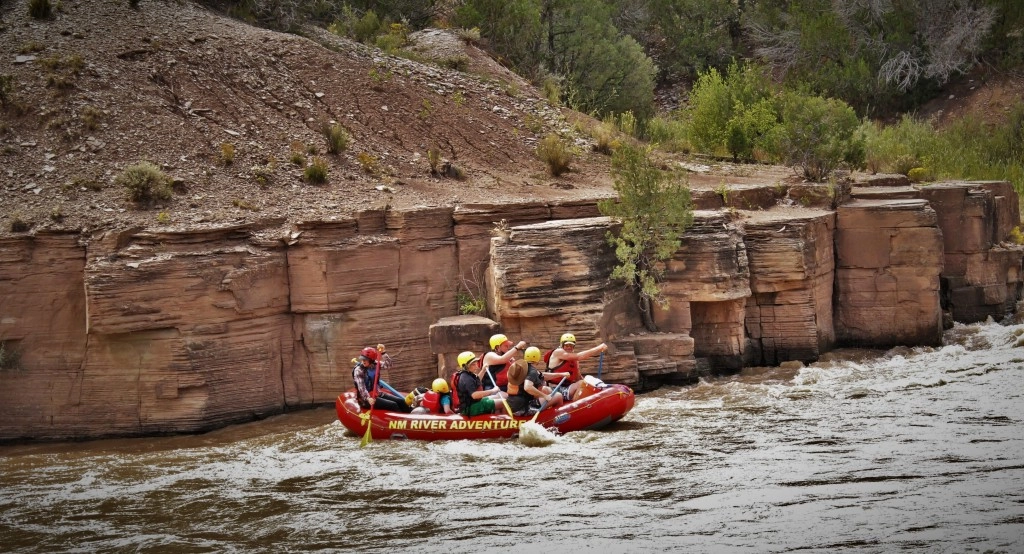
Northern New Mexico is famous for its renowned whitewater runs, and if one plans on being in Albuquerque for multiple days of the balloon festival, it is well worth the trip. Iconic runs on the Racecourse, the Orilla Verde section, and even the Rio Chama provide guests with an exciting, but safe, adventure along the scenery of the beautiful Rio Grande Gorge or the Chama Canyon Wilderness. These amazing trips are also remarkably close to both Taos and Santa Fe, two very artistic and eclectic cities that deserve a day to themselves after a fun day on the river.
The 50th Anniversary of the Albuquerque balloon festival is bound to be a fun time, but there is too much to do to limit yourself to just the festival. So be sure to watch for family adventures anywhere from the river, to the mountains, to the air!
There’s nothing quite like the early-morning glow of hot air balloons lifting into a dark New Mexico sky. If you’re headed to the Albuquerque International Balloon Fiesta, the Dawn Patrol should be at the top of your list. But what many visitors don’t realize is that the balloon festival offers far more than just morning […]
Off the Beaten Path: 5 Must-See NM Hidden Gems to Explore
What Are the Best NM Hidden Gems to Explore? Well, let’s first start with what’s the first thing you think of when I ask you what New Mexico is known for? Deserts? Aliens? Chiles? It’s all that and a whole lot more! Whether you’re planning your first trip to New Mexico or have lived here for many years here are a few must-do things around the state. No gatekeeping here- please enjoy our top NM hidden gems and see the most beautiful parts of “The Land of Enchantment”.
- Rio Grande Del Norte National Monument
- Carlsbad Caverns
- Taos Pueblo
- Santa Rosa Blue Hole
- White Sands National Park
1. Why Is Rio Grande Del Norte One of the Top NM Hidden Gems?
Located from the Colorado border all the way down to our headquarters south of Taos is a vast ecosystem with 242,555 acres of mountains, dormant volcanoes, the Rio Grande and the deep rift valley creating the gorge. You can spend weeks exploring the area by hiking, biking, rafting, camping, and fishing. If you only have a short time to spend in the Monument, I highly recommend a hike along the West Rim Trail starting at the Gorge Bridge rest area at sunset. This hike rewards you with breathtaking views of the gorge along the volcanic plateau as well as the 650ft high Gorge Bridge! Of course, our favorite part of the state contains one of our favorite rivers to raft.
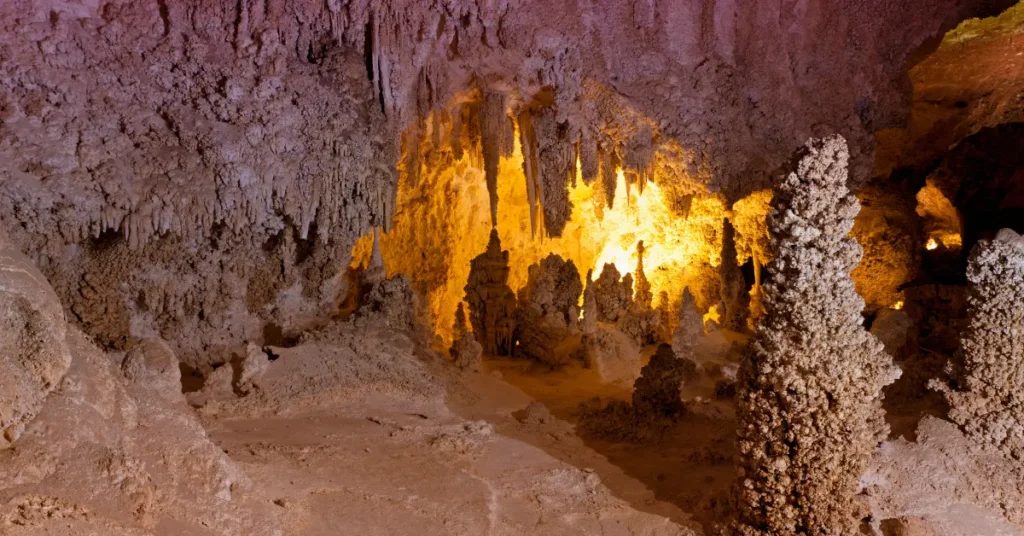
2. Are the Carlsbad Caverns a Hidden Gem in New Mexico?
Hidden deep below the Chihuahuan Desert is an extensive system of caves and caverns. Between 4 and 6 million years ago the caverns began to form through spleleogenesis. This is where hydrogen rich water in the ground mixed with rainwater and formed sulfuric acid cutting through the limestone deposits. Leaving behind large gypsum deposits, clay and more which have then created stalactites and stalagmites. There are many guided and self-guided trips in the caverns. Please visit the National Park Service website to find out about times and entrance fees.
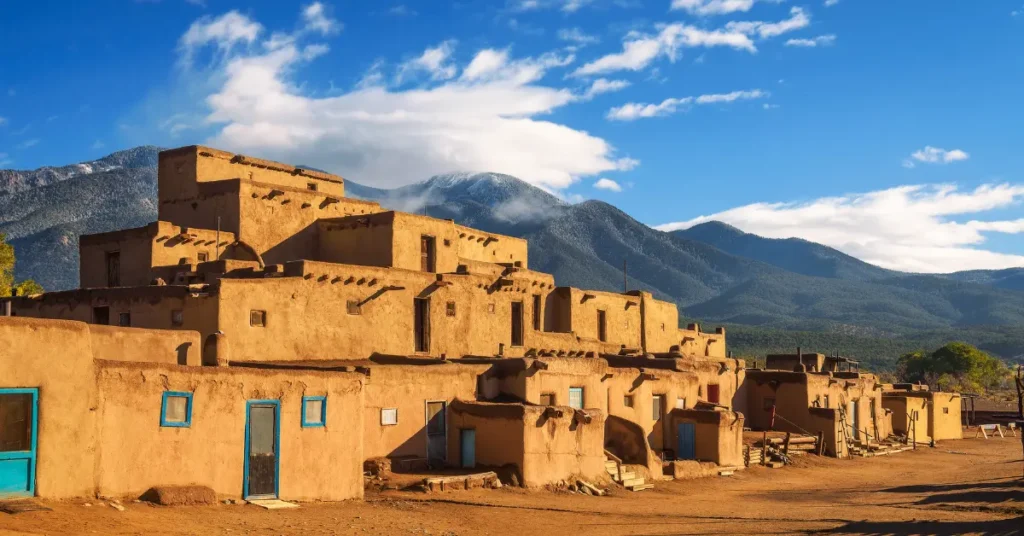
3. What Makes Taos Pueblo a Cultural Hidden Gem in NM?
The Taos Pueblo is the oldest continuously inhabited community in the United States which has designated it as a UNESCO World Heritage Site as well as a National Historical Landmark. For over 1,000 years ancestors of the current Taos natives have been inhabiting these adobe buildings. For visiting hours and fees please visit the Taos Pueblo website. After learning more about the indigenous land and people, you can purchase their ar,t including moccasins, drums, pottery, and silver jewelry. For detailed local area info near Taos and the Gorge, see our Embudo guide.
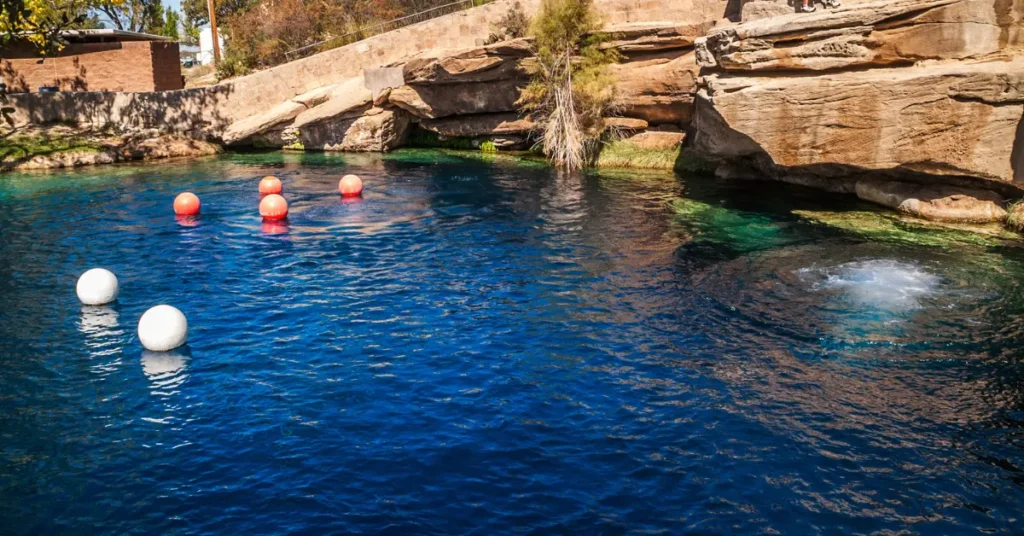
4. Why Is the Blue Hole in Santa Rosa a Hidden Gem in New Mexico?
Just off Route 66 in Santa Rosa is the Blue Hole. Just as the name suggests this is a deep hole filled with crystal blue waters. First explored in 2013, this desert oasis is over 130 feet deep and connected to other lakes underground with a cave system. You can swim in it or for those with a current diver certification permit and looking for a little more exploration you can dive into the depts of the hole and connecting caves. Children, seniors, and those with disabilities can also take advantage of fishing for rainbow trout, largemouth bass, green sunfish and more at Blue Hole!
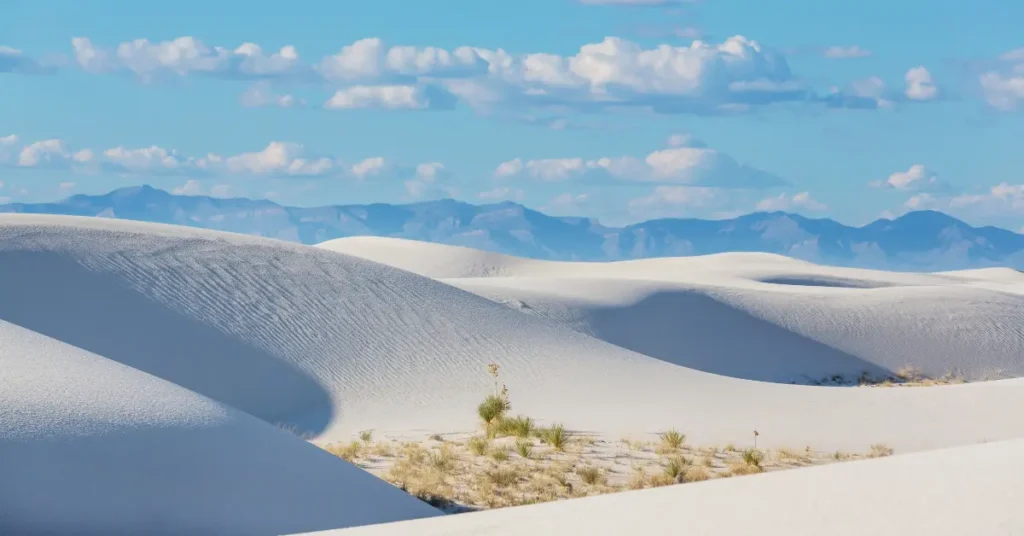
5. Is White Sands National Park Considered a Hidden Gem in NM?
Dunes of white gypsum sand take over 275 square miles of desert in southern New Mexico. The large dunes are formed from the evaporation of an ephemeral lake with very high mineral content. As the evaporation continues to happen the gypsum deposits are wind transported to the sand dunes. Some sections of the dunes travel more than 30 feet per year due to changing wind patterns and park maintenance plow the roadways much like they would plow snow. Plan your vacation by visiting the National Park website for fees and visiting hours as well as packing a sled to race down the dunes on! White Sand Dunes is one of the few dog friendly national parks – just remember the sand can get very hot on their paws and always follow leash laws as well as leave no trace principles.
At New Mexico River Adventures, we believe that places like the Rio Grande Del Norte National Monument and Santa Rosa’s Blue Hole are some of the state’s most underrated destinations. These hidden gems offer exceptional opportunities for rafting, hiking, and exploring New Mexico’s rugged beauty far from the crowds.
Absolutely. One of our favorites is the Santa Rosa Blue Hole—a clear, spring-fed oasis that’s ideal for swimming and even diving with the proper certification. It’s a refreshing surprise in the middle of the high desert and one of the true hidden treasures in the state.
While it’s becoming more popular, White Sands still surprises many of our guests. The vast, white gypsum dunes are otherworldly—and best of all, it’s one of the few national parks where dogs are welcome. We always suggest adding it to any NM road trip.
How Can You Discover More NM Hidden Gems on Your Next Trip?
We hope you explore some of our favorite spots during your travels around this diverse and awe-inspiring state and reach out to us if you have more questions. Planning more than just NM Hidden Gems? Check out our New Mexico Summer Vacation Itinerary for full trip ideas or our 24 Hours on the Rio Grande if you’re ready for some whitewater thrills.
Discover NM hidden gems like Rio Grande Gorge, Taos Pueblo & Blue Hole. Local guide to New Mexico’s best off-the-radar adventures.
What Is the Rio Grande Gorge in New Mexico and Why Is It Historic?
The Rio Grande in New Mexico is a vast canyon that starts near the New Mexico-Colorado border and stretches over 50 miles ending just southeast of Taos, New Mexico. This impressive geological formation which is well known for its unique whitewater thrills also holds an incredible ecological, historical, and cultural significance to the area. Since we spend many of our days on the Rio Grande River, the Gorge holds a special place in our hearts.
What Is the Rio Grande in New Mexico and Why Is It Historic?
Historically, the Puebloans and other Southwestern peoples relied on and enjoyed the Rio Grande as much as we do today. Through the gorge walls, there are many places to see petroglyphs or ancient rock art that have been left by people for thousands of years! In the several native languages, there are different names for the river such as Posoge meaning “big” or “great” river in the Tewa language. The name we are most familiar with, Rio Grande, which means “big river” in Spanish, came into use in the early 16th century when the Spanish began occupying the area of Northern New Mexico.
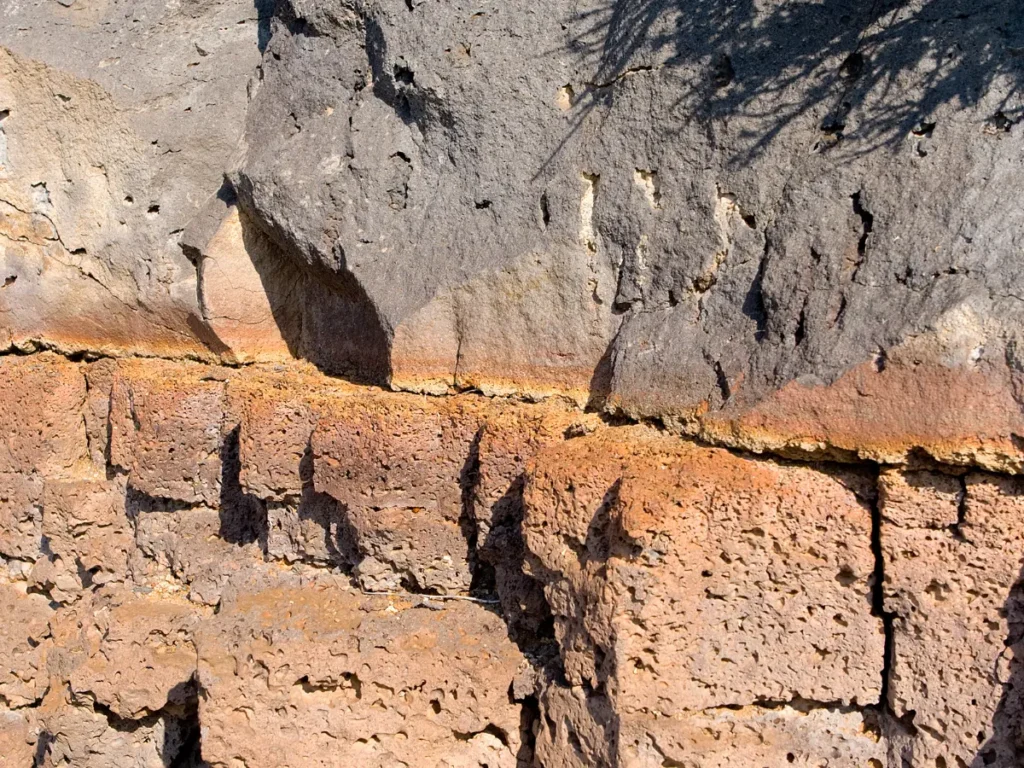
How Was the Rio Grande Gorge Formed in New Mexico?
Millions of years ago, this area of New Mexico was undergoing a lot of geological changes such as earthquakes and lava flows which created a valley called the “Rio Grande Rift Valley.” The river followed the path of the valley and over time carved it deeper and deeper to create the gorge we know today.
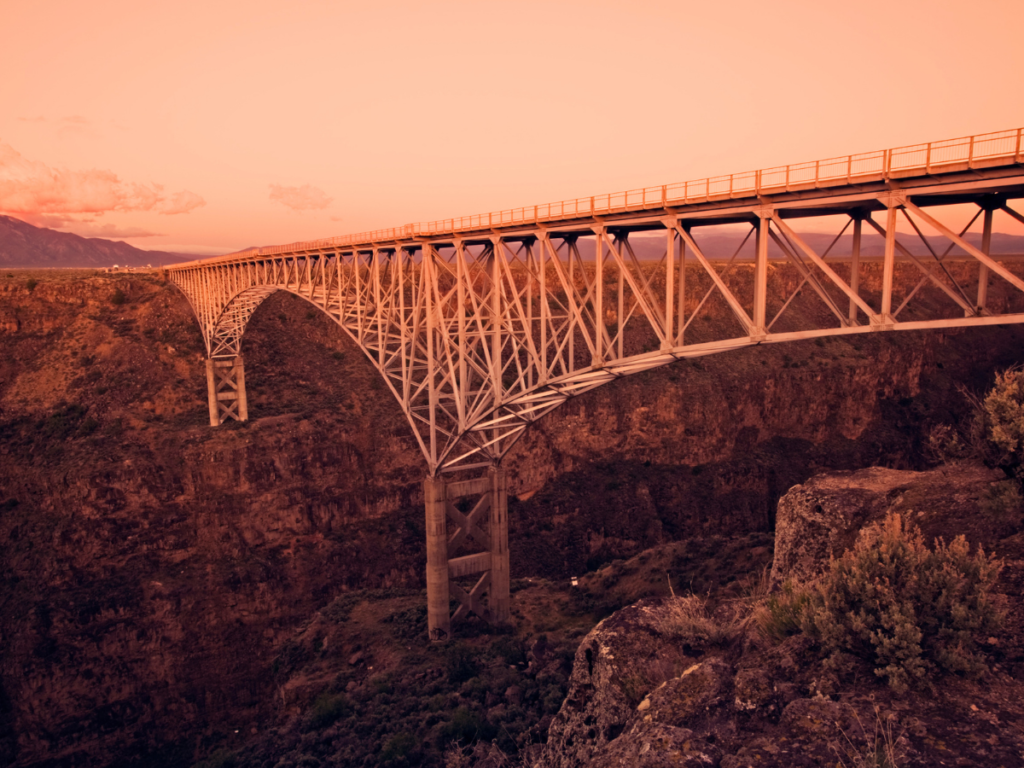
What Is the History of the John Dunn Bridge Over the Rio Grande?
Most people know the John Dunn Bridge as the beginning of the magnificent, full-day Lower Taos Box trip, or maybe as a great place to enjoy the afternoon fishing, rock-climbing, or soaking in hot springs. You would be surprised to know that there was more to the history of the Rio Grande. In the early 1900s this area was also bustling with bars, restaurants, and hotels where people stopped to soak and relax during their long journeys in the West. The bridge you can see today is the third of its kind dating back to the 1930s! The bridge is still in service as a put-in. It is where our Lower Taos Box full day launches, and the overnight Taos Box 2 Day runs the same water with a night on the river.
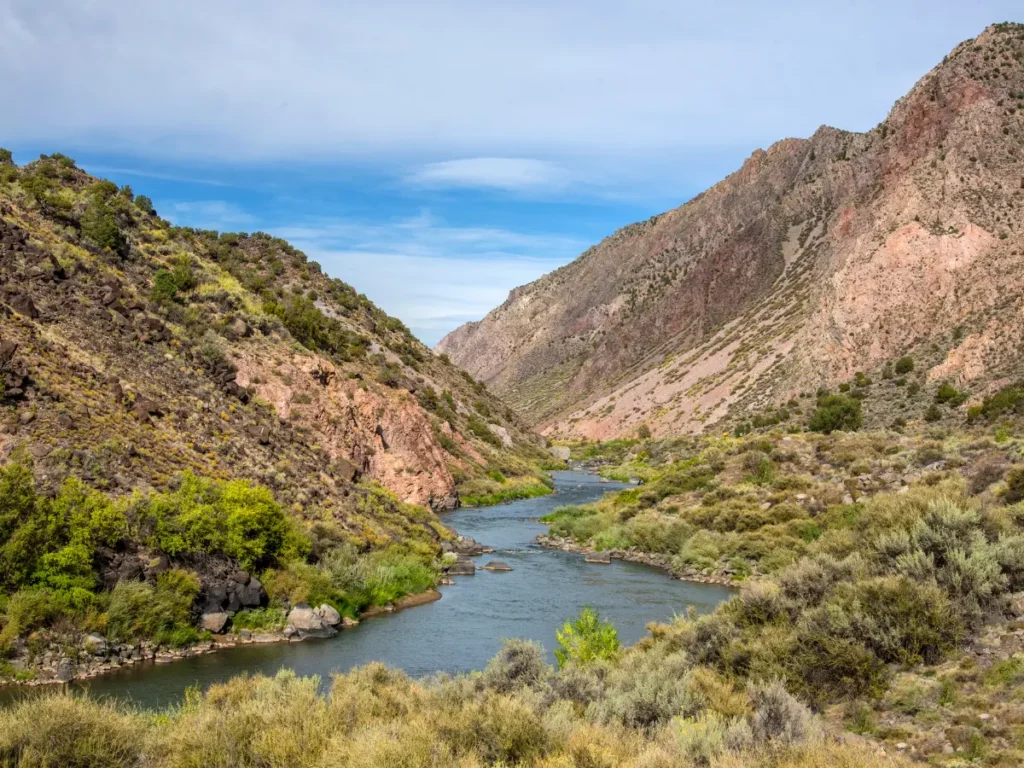
Why Is the Rio Grande in New Mexico Designated a Wild & Scenic River?
In 1968, the Rio Grande was one of the eight rivers included in President Johnson’s original National Wild and Scenic River Act. This conservation designation ensured that rivers protected under the act would be maintained undammed and free-flowing to protect the ecological and historic integrity of the area.
In 2013, the Obama administration created the Rio Grande del Norte National Monument which further protects our beautiful gorge for its historical, cultural, and environmental importance. That protected stretch is what you float on our Orilla Verde family trip, the mellow option if class IV is not the goal.
How Can You Explore the Rio Grande Gorge in New Mexico Today?
Ten miles northwest of Taos on Highway 64, The Rio Grande Gorge Bridge, hovers 650 feet above the gorge giving you some jaw-dropping views.
Located at the confluence of the Rio Grande and Red River, the Wild River Recreation area near Questa, New Mexico provides beautiful overlooks and great hiking trails as you explore the 800-foot gorge.
Orilla Verde Recreation Area near Pilar, New Mexico has great opportunities for boating, hiking, fishing, camping, or even just taking time to relax by the river.
Book a trip with New Mexico River Adventures on the Rio Grande River! Whether you are looking to experience the exhilarating class IV whitewater of the Lower Taos Box or the scenic and relaxing Orilla Verde, let us guide you down the Rio Grande in New Mexico! Be sure to check out one of our most popular full-day trips, Rafting on the Rio Grande. Families and friend groups from far and wide join us every whitewater season to witness this spectacular river. We hope you will consider joining us and we can’t wait to see you on the river!
Rio Grande FAQs
At New Mexico River Adventures, we guide trips through the Rio Grande Gorge just outside of Taos, New Mexico. This stretch of the Rio Grande cuts through a breathtaking volcanic plateau and is part of the federally protected Rio Grande del Norte National Monument, located in northern New Mexico near the Colorado border.
The Rio Grande Gorge is a geologic masterpiece created by millions of years of tectonic activity and erosion. Unlike typical river canyons, this gorge formed along the Rio Grande Rift, where volcanic basalt and shifting plates created its dramatic walls—making it one of the most unique landscapes we raft through.
The John Dunn Bridge spans the Rio Grande near Arroyo Hondo and marks an important cultural and transportation point in northern New Mexico. We often pass this site on our way to river access points. Once home to a trading post and hot springs resort, it’s now a popular launch point for both locals and our guests.
As local river guides, we’re proud to operate on a section of the Rio Grande that’s been designated as Wild & Scenic. This national protection ensures that the river remains free-flowing and undeveloped—preserving its natural beauty, recreational value, and cultural importance for future generations.
At New Mexico River Adventures, we offer professionally guided rafting trips through the most iconic stretches of the Rio Grande Gorge, including the adrenaline-filled Taos Box and the family-friendly Racecourse run. Whether you’re looking for a scenic float or high-adventure whitewater, we make it easy to experience the best of the Rio Grande in New Mexico.
What Is the Rio Grande Gorge in New Mexico and Why Is It Historic? The Rio Grande in New Mexico is a vast canyon that starts near the New Mexico-Colorado border and stretches over 50 miles ending just southeast of Taos, New Mexico. This impressive geological formation which is well known for its unique whitewater [...]
There is nothing better than hopping in the car and exploring a new place for your summer vacation. New Mexico has some of the best destinations to fuel all your wanderlust. Whether you have a day, a few weeks, or live locally, here are a few top destinations and itineraries while visiting this beautiful state.
NM Vacation Itinerary
Explore the Nation’s Oldest State Capital – Santa Fe
Established as the capital in 1607, Santa Fe has a plethora of history to explore as well as sights to see. Of course, in the summer, New Mexico can get hot so the best way to spend one of those days is inside. Be sure to check out the Georgia O’Keeffe Museum, which rotates many of her pieces from their collection and gives a detailed scope of the artist’s life as well as how she spent her time living in New Mexico. Stop off for lunch at The Plaza, where there are restaurants for every palate. If you’re looking for a quick snack, make sure to head to the back of the Five & Dime for a classic Frito Pie. After lunch, give yourself a few hours to take in the immersive and interactive art exhibit of Meow Wolf, where you will be transported to another dimension while trying to figure out the mystery of the Selig Family. As the evening cools down, be sure to check out the summer concert series at The Plaza, where free concerts happen weekly.
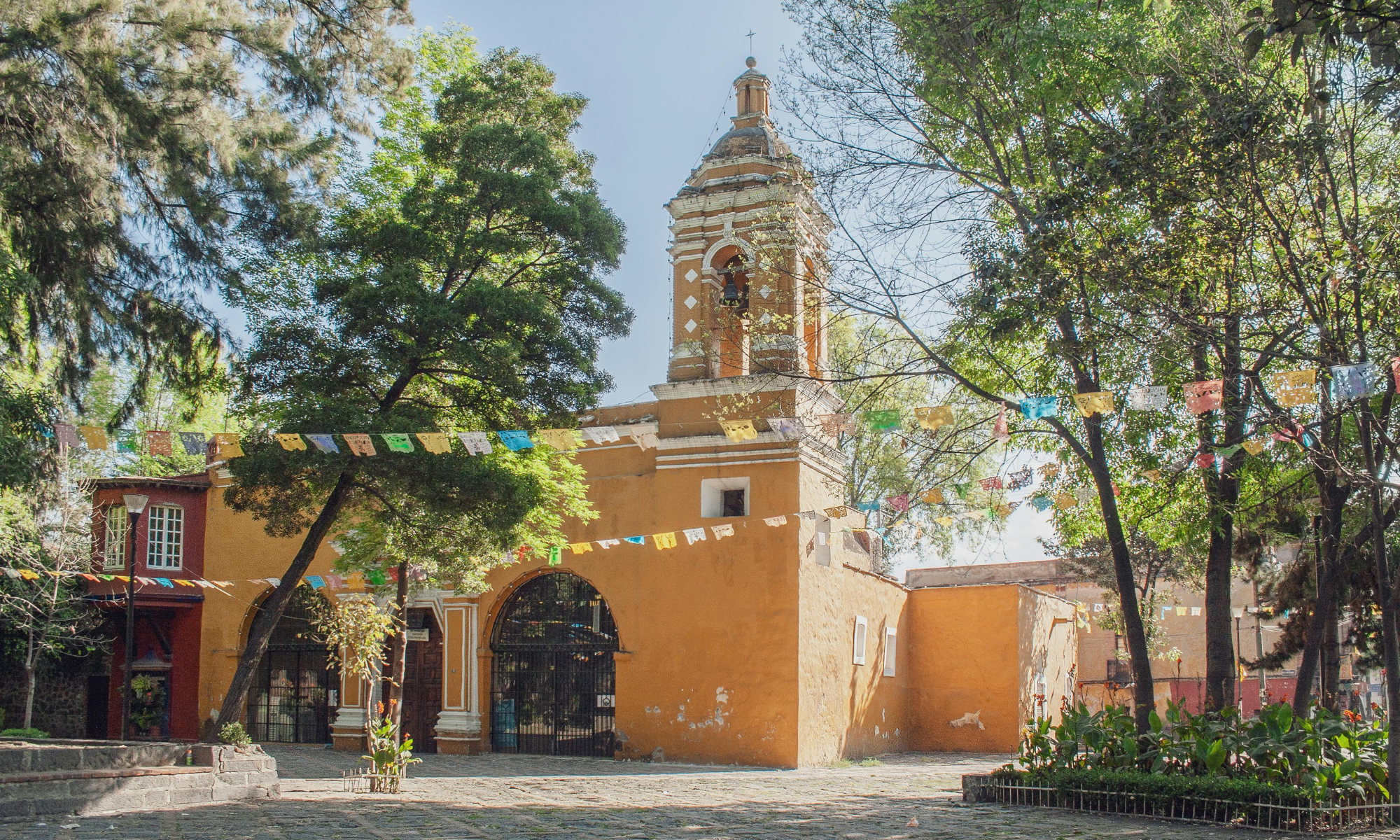
The Enchanted Circle
If you hoping to explore beyond the cities while on your NM vacation, having or renting a car is quite necessary to explore anything outside of the cities. With a car, you can travel the 84 miles of the Enchanted Scenic Byway, including the highest roadway point in New Mexico- Bobcat Pass at 9,820ft. Starting in Taos, head east on NM-64, which will lead you through Carson National Forest to the town of Angel Fire. This small mountain town boasts one of the best downhill mountain biking parks in the country. Carrying on north to Eagles Nest, you will be greeted with a large alpine lake perfect for bird watching. Be sure to look out for American White Pelican -that’s right, a pelican in New Mexico! After driving through Eagles Nest, turn left on NM-38 heading north towards Elizabethtown, an old gold mining village and currently a ghost town. You’ll shortly arrive in the ski town and summer haven of Red River. This alpine village hosts a plethora of summer activities, including fly fishing, ATV riding, horseback riding, and plenty of hiking and mountain biking trails. Carry on to Questa before turning left on NM-522 to head back into Taos. This drive can easily be done in a day if you are short on time but ideally stretch it out over a few days camping or finding lodging in each town to fully explore the Carson National Forest and mountain towns of Angel Fire and Red River.
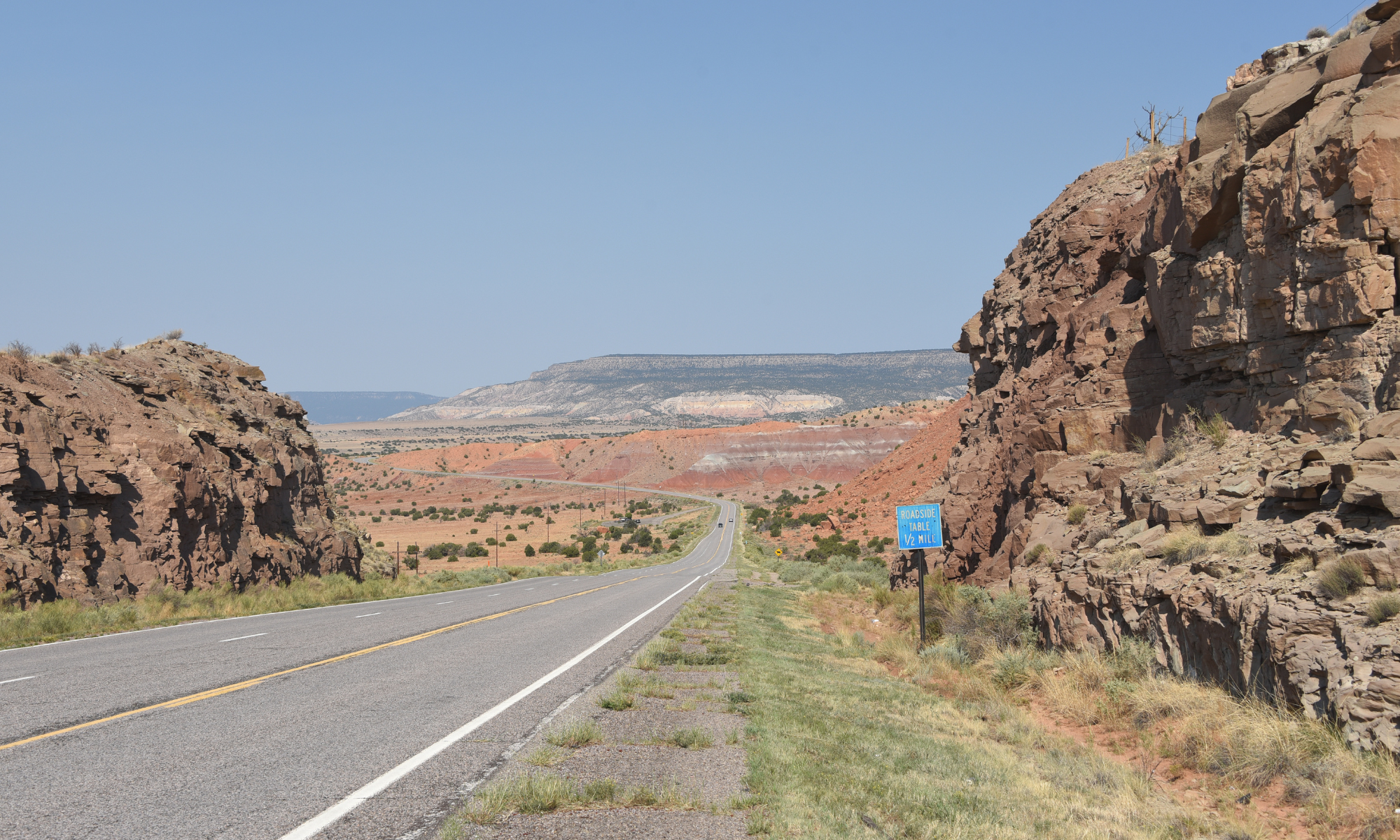
Rio Chama 3 Day Rafting
Of course, we can’t think of a summer going by without an epic river rafting trip. Our 3-day trip on the Rio Chama is an ideal way to explore the wilderness section of this stunning river while leaving all the planning up to us. Our first day starts in Abiquiu, where you’ll meet the best guides in the industry who are just as excited as you to see the towering sandstone canyons and pristine wilderness environment. After launching on the river, you will be quickly transported to an area unlike anywhere else. The sandstone canyons on either side show the history of our Earth through multicolored layers. Our guides know many coveted hikes off the river to see everything from dinosaur footprints to unconformities in the rock layers. When stopping for camp each night, your guides will prepare a gourmet meal as you put up your tent and sleeping setup – all provided by us if you need it. Sadly, this trip comes to an end on the afternoon of the third day, but the memories you make with your campmates and guides on your NM vacation will last a lifetime! Please give us a call at 505-983-7756 to inquire about availability for all our upcoming Rio Chama trips.
How will you be spending this summer in New Mexico?
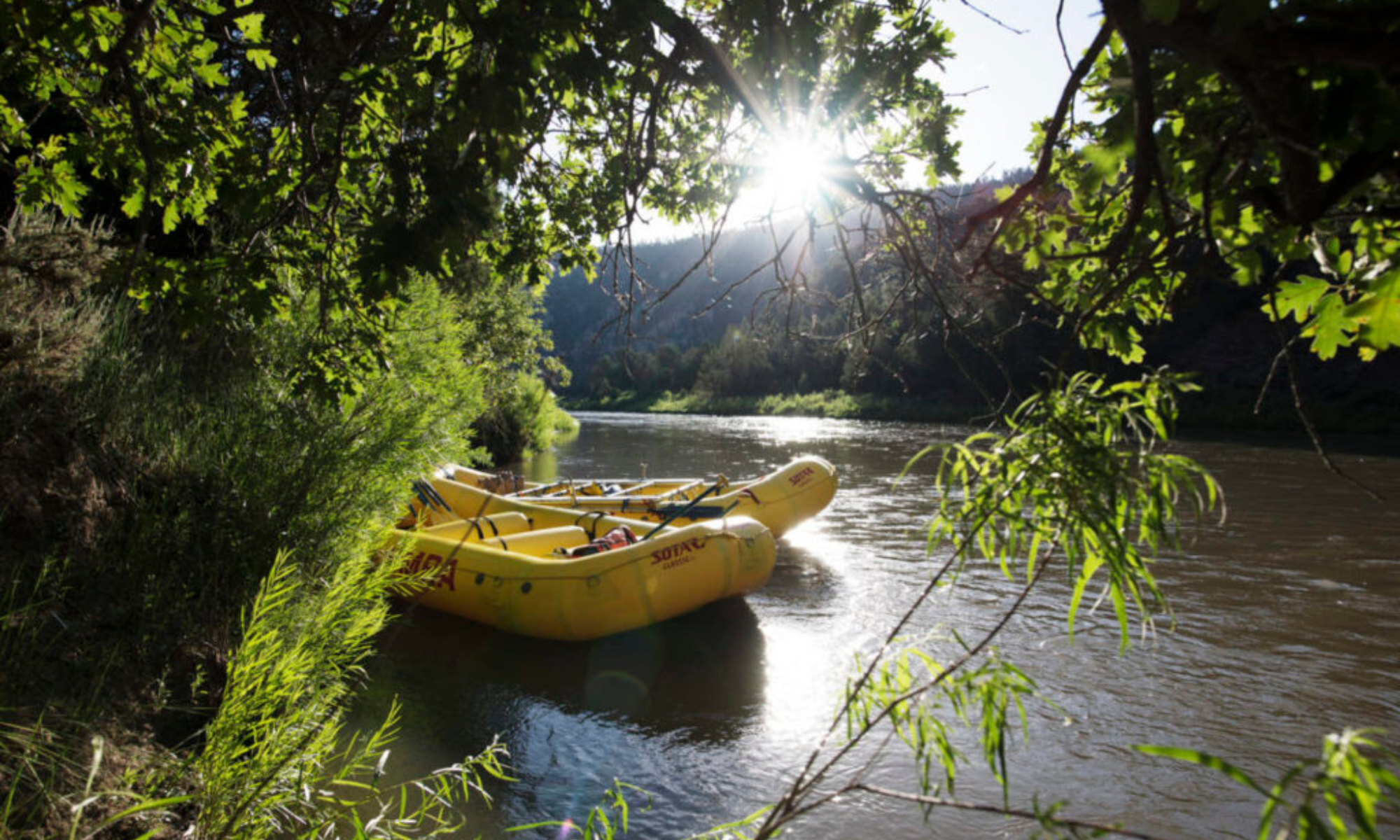
There is nothing better than hopping in the car and exploring a new place for your summer vacation. New Mexico has some of the best destinations to fuel all your wanderlust. Whether you have a day, a few weeks, or live locally, here are a few top destinations and itineraries while visiting this beautiful state. [...]
Nestled in the picturesque Rio Grande Valley, Embudo, New Mexico, is a hidden gem that offers a unique blend of history, natural beauty, and small-town charm. Whether you’re a history buff, an outdoor enthusiast, or simply looking for a tranquil escape, you’ll find no shortage of things to do in Embudo NM. Here’s a local’s guide to making the most of your visit to this Northern New Mexico town.
Embudo, meaning “funnel” in Spanish, was named for the funnel-shaped formation where the Rio Embudo meets the Rio Grande. The town’s history dates back to the 19th century when it became a vital stop along the Denver and Rio Grande Western Railroad. Today, remnants of its rich past can be seen in the historic buildings and landmarks that dot the landscape, including The Embudo Station which was once a bustling railroad station along the Chile Line. Today, it stands as a testament to the town’s vibrant past. Take a leisurely stroll around the area and imagine the days when trains were the lifeblood of this community. Additionally, Embudo housed the first USGS river gaging station. The information collected by this system led to water resources projects, land use, and urban planning as well as the first training center for American hydrographers and provided the first stream-gauging operations of the U.S. Geological Survey.
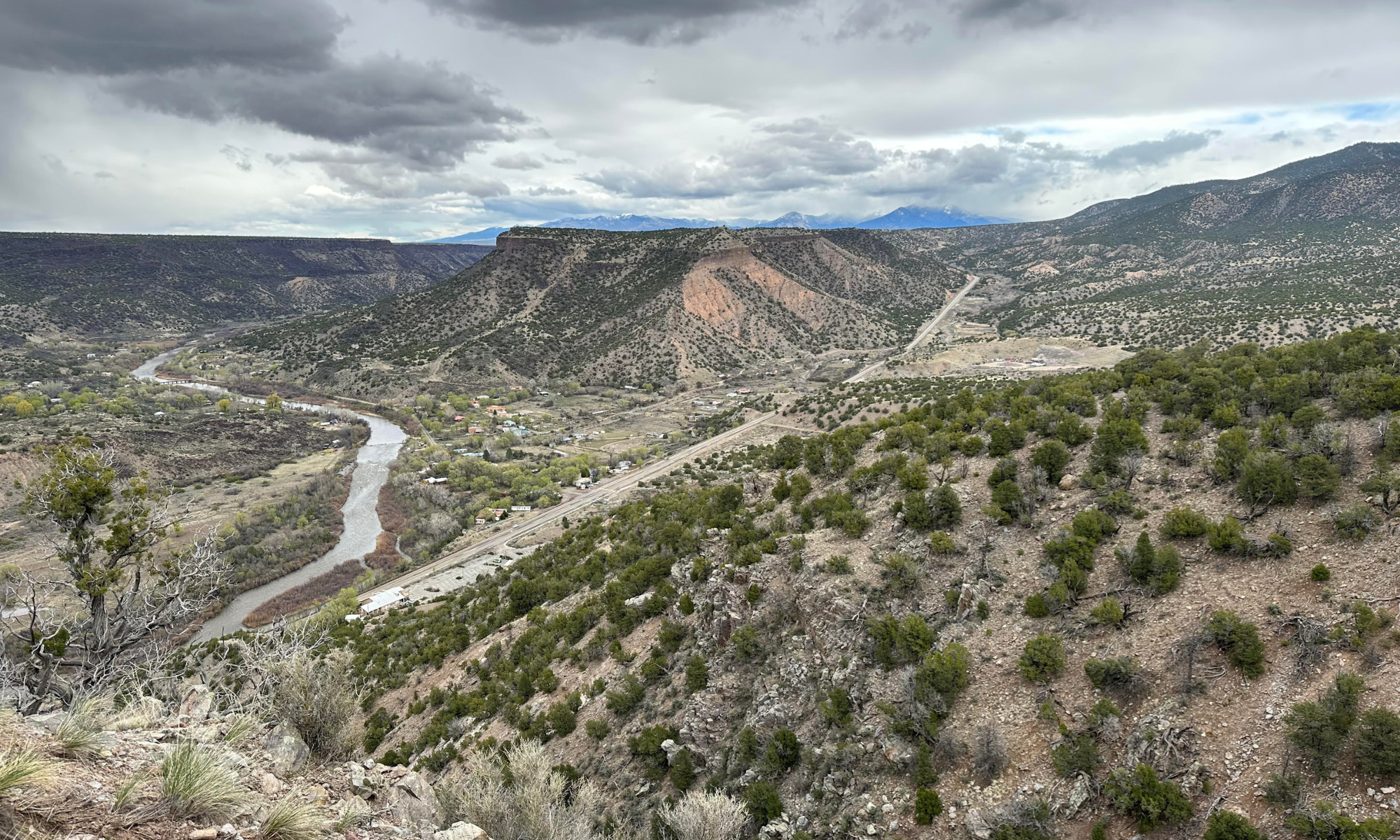
Must-See Attractions: Top Things To Do in Embudo, NM
Rio Grande Gorge
For breathtaking views, head to the Rio Grande del Norte National Monument. This natural wonder offers hiking, bird watching, and some of the best white-water rafting in the region. Don’t forget your camera – the vistas are truly spectacular! Make sure to get out on a Rafting or Kayaking trip with New Mexico River Adventures to truly take in the river’s beauty from a new perspective.
The Classical Gas Museum
A quirky and delightful stop, the Classical Gas Museum houses an impressive collection of vintage gas pumps, signs, and memorabilia. It’s a nostalgic trip down memory lane and a must-visit for anyone interested in Americana history.
Dixon Studio Tour
If you visit during the annual studio tour (early November), you’ll have the chance to meet local artists, see their work, and even purchase unique pieces to take home as souvenirs. Over 30 local artists participate throughout Dixon, Embudo, Rinconada and the surrounding towns.
Outdoor Adventures
Embudo’s location along the Rio Grande makes it a paradise for outdoor enthusiasts. Enjoy a day fishing on the Rio Grande. Grab your gear and spend a peaceful day by the water as it teems with trout and other fish; it’s a popular spot for anglers. Explore the numerous trails that wind through the area’s stunning landscapes. Hiking trails right outside of the Rio Grande Del Norte National Monument Visitors Center offer a moderate hike with rewarding views of the valley.
Food and Drink
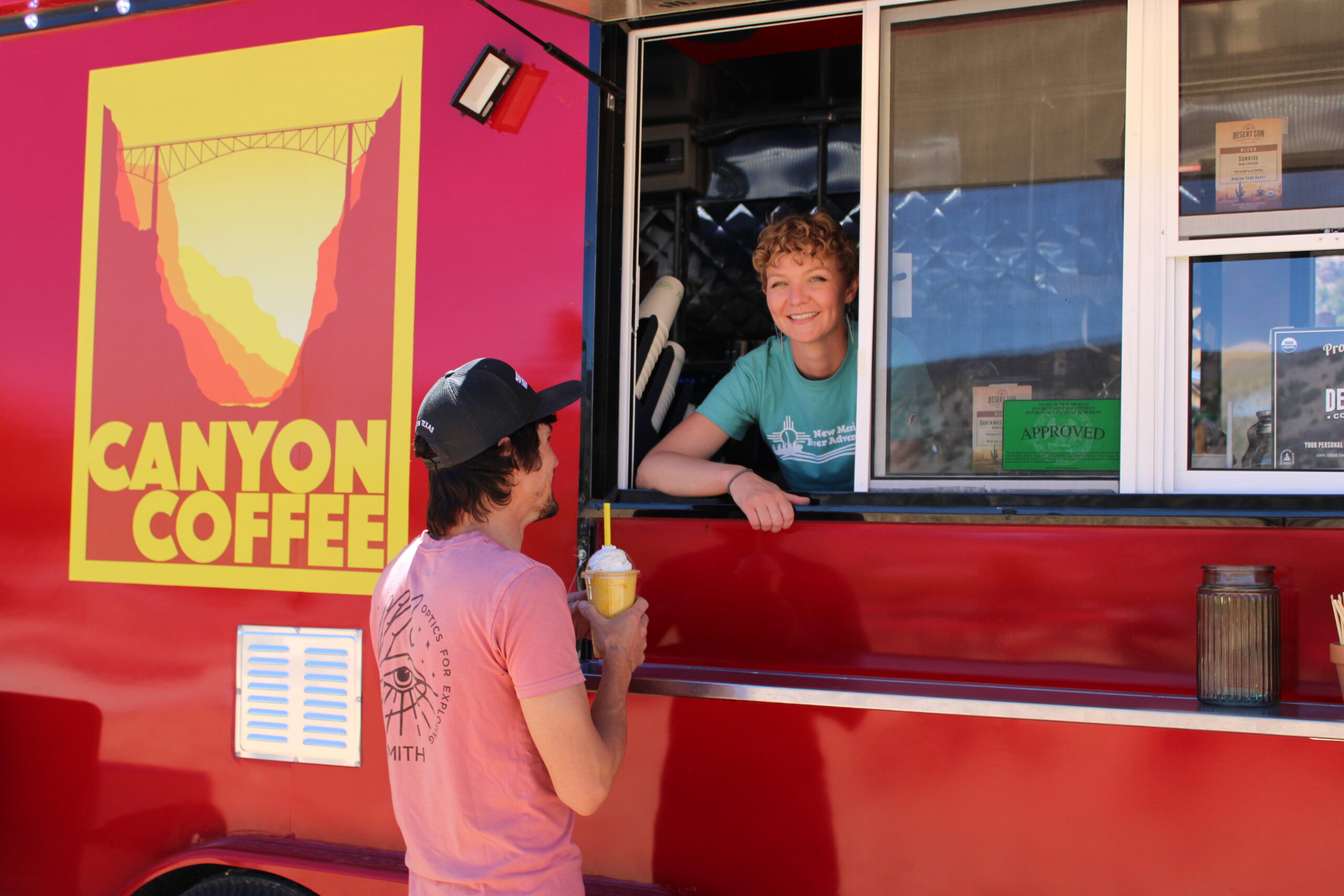
With perfect growing conditions for many varieties of grapes, the area hosts a plethora of wineries. Vivác Winery is a family-owned winery that produces award-winning wines and offers tastings in a beautiful setting. It’s a perfect spot to unwind and savor the local flavors as well as catch. New to the area are 2 spectacular Food Trucks located at New Mexico River Adventures Headquarters. Hot Dawgin is a Chicago-themed menu with Italian Beef sandwiches, Polish sausages and Chicago Dogs as well as New Mexico Favorites like Frito Pies and burritos. You’ll also find Canyon Coffee serving all of your favorite espresso drinks, hot or cold, blended drinks like smoothies and shakes as well as breakfast burritos and fresh-baked muffins to start your day.
Practical Tips for Things to Do in Embudo
Embudo is lovely year-round, but spring and fall offer the most comfortable weather for outdoor activities. It’s located along Highway 68, about halfway between Santa Fe and Taos. It’s an easy drive from either city, making it a convenient day trip or weekend getaway. While Embudo itself has limited lodging options, nearby towns such as Dixon, Española, and Taos offer a range of accommodations, from cozy bed and breakfasts to more luxurious options. The next town over, Pilar, has camping in the Orilla Verde Recreation Area as well.
Embudo, New Mexico, may be small, but it’s brimming with charm and character. Whether you’re exploring its historical sites, embarking on outdoor adventures, or simply soaking in the serene atmosphere, there is plenty of things to do in Embudo, NM and you’re sure to leave with a deeper appreciation for this unique corner of the Southwest.
Ready to Experience Embudo from the River?
No trip to Embudo is complete without getting out on the water. New Mexico River Adventures offers unforgettable New Mexico whitewater rafting and kayaking trips right in the heart of the Rio Grande. Whether you’re looking for a mellow float or adrenaline-pumping rapids, their expert guides will make sure you experience the region’s beauty from a whole new perspective.
Nestled in the picturesque Rio Grande Valley, Embudo, New Mexico, is a hidden gem that offers a unique blend of history, natural beauty, and small-town charm. Whether you're a history buff, an outdoor enthusiast, or simply looking for a tranquil escape, you'll find no shortage of things to do in Embudo NM. Here's a local's [...]